

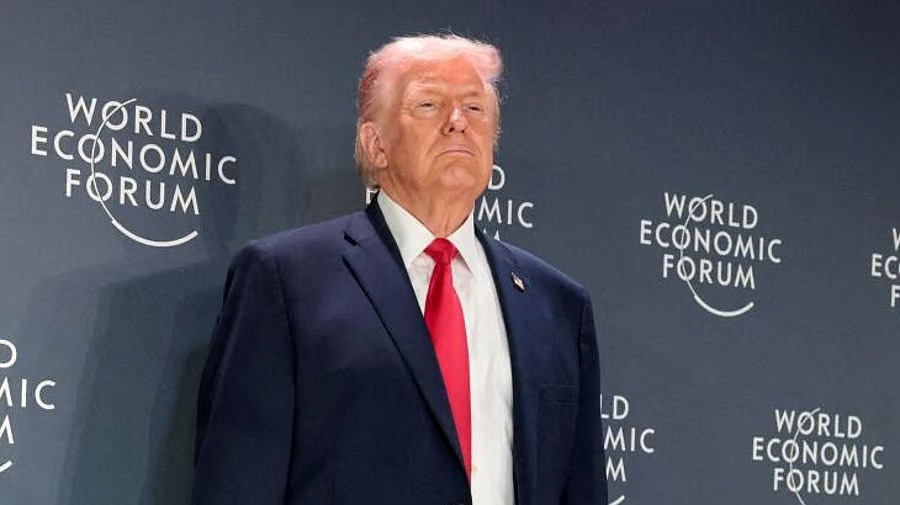
In January 2026, former U.S. President Donald Trump publicly acknowledged that the United States has taken control of oil aboard multiple Venezuelan oil tankers that were seized during a broader campaign to exert influence over Venezuela’s oil industry. According to Trump’s remarks in an interview with the New York Post, the oil — estimated at about 50 million barrels — is being refined in American facilities, including refineries in Houston, with some of it being sold on global markets. Trump described this as part of a concerted effort to control Venezuela’s oil flows after a tumultuous series of political and military actions in the South American country.
This development represents one of the most dramatic episodes in recent U.S.–Venezuela relations, intertwining matters of energy, sovereignty, international law, and hemispheric geopolitics.
The Military and Legal Campaign: From Seizure to Refining
The reported oil seizures are not isolated incidents but part of a broader pattern of U.S. interdictions on Venezuelan-linked tankers. The U.S. military, including the Coast Guard and Southern Command, has seized at least seven tankers in Caribbean waters under sanctions, asserting that these vessels were transporting oil in violation of U.S. sanctions and quarantine measures. The vessel known as the Motor Vessel Sagitta was one of the latest such seizures, taken without incident under the U.S. operation to enforce sanctions and maritime controls.
Trump’s statements make clear that this campaign, initiated amid heightened pressure on Venezuelan President Nicolás Maduro’s government and facilitated by military and legal actions, has moved beyond interdiction to physical control of Venezuela’s oil resources. Trump stated that “they don’t have any oil. We take the oil,” underscoring the U.S. position that the seized oil is now under U.S. authority and will be processed domestically.
These actions come after months of escalated military operations in the region, including a naval buildup and more than two dozen strikes on vessels deemed to be transporting illicit cargo, often under the rationale of combating drug trafficking. This broader security effort has drawn international attention and criticism, with some interpreting it as a forceful campaign to destabilize Venezuela’s existing regime.
International Reaction and Venezuela’s Response
The Venezuelan government has vociferously rejected Washington’s claims and actions. Officials in Caracas have characterized the U.S. seizures and diversion of oil as theft of national resources and international piracy, demanding that these actions are violations of international law and sovereign rights. Caracas argues that Venezuela’s oil — long its principal economic asset — should remain under the control of its legitimate government and people, denouncing external military interference as aggressive and unlawful.
This clash has intensified diplomatic tensions between the two countries, with the U.S. framing its actions as part of sanctions enforcement and efforts to weaken criminal networks tied to the Venezuelan state, while Venezuela casts them as an assault on national sovereignty.
The Strategic Importance of Venezuelan Oil
Venezuela is home to the largest proven oil reserves in the world. For decades, its vast petroleum wealth has been central to its national economy and global strategic relevance. However, mismanagement, sanctions, and political instability have severely diminished production and export capacity over recent years.
Under these circumstances, control over Venezuelan oil — whether by domestic actors or foreign powers — has major implications for global energy markets and geopolitical leverage. U.S. refiners, particularly in Texas, see Venezuelan crude as a valuable feedstock given its heavy composition and historic integration into global supply chains.
Trump’s public comments signal an intent not only to seize the physical cargo of seized vessels but to integrate Venezuelan oil into U.S. refining systems. Such moves would influence global crude flows, pricing dynamics, and the strategic balance in oil markets where Venezuelan supply has been constrained.
Legal Justifications and Controversies
Seizing oil from foreign tankers on the high seas raises complex legal questions. The U.S. government has based its actions on sanctions laws and maritime enforcement authorities, asserting that vessels carrying oil in violation of U.S. sanctions are subject to seizure under U.S. law and international maritime norms.
Critics, however, argue that such measures risk undermining established international legal frameworks governing freedom of navigation and the sovereign right of states to export their natural resources. Characterizing these operations as maritime enforcement or sanctions compliance, the U.S. maintains that the legal process — including forfeiture proceedings — will be observed, though specifics often remain closely held by authorities.
Wider Geopolitical Implications
The U.S. campaign against Venezuelan oil flows reflects broader geopolitical shifts in the Americas and beyond. It highlights the intersection of energy security, foreign policy, and military power. For the U.S., maintaining leverage over strategic energy resources and weakening regimes perceived as hostile or destabilizing has become entwined with national policy.
At the same time, these actions reverberate across international institutions and alliances. Other global powers with interests in Venezuela, including China and Russia, have closely watched these developments, interpreting them through the prism of broader global competition and influence.
Economic and Market Impacts
Global oil markets are sensitive to disruptions in supply and major geopolitical events. Venezuela’s vast crude reserves, if fully mobilized, could have material effects on global supply balances, particularly in markets constrained by other OPEC supply cuts or geopolitical tensions. U.S. control and processing of Venezuelan oil, even temporarily, add a novel variable to global oil pricing and trade dynamics, as major consumers and producers adjust to shifting flows.
Refineries in the U.S., particularly those optimized for heavier grades of crude like Venezuela’s, could benefit from additional shipments, even as long-term diplomatic and legal disputes unfold.
Conclusion: A New Chapter in U.S.–Venezuela Relations
The U.S. taking oil from seized Venezuelan tankers marks a dramatic escalation in the already fraught relationship between the two nations. It signals a willingness by the U.S. to pursue energy and geopolitical objectives with assertive maritime and legal measures.
FACTS Transcripts proudly serves students and professionals across a wide range of regions to support their academic and career goals. Our services are available in:
India
United States
Canada
United Kingdom
New Zealand
Australia
Russia
Middle East
North America
Africa
Our Services – FACTS Transcripts
We at FACTS Transcripts assist in various services, including:
Mark Sheet Transcripts
E-Transcripts
Duplicate Mark Sheets & Degree Certificates
Medium of Instructions Certificates
Attestations
HRD Attestation / Apostille Services
ECA (Educational Credentials Assessment)
Trusted by leading global verification organizations, including WES, IQAS, PEBC, NDEB, NASBA, CAPR, NZQA, ICAS, NCESS, ICES, ECE, eduPASS, ACEI, GCEUS, Comparative Education Services, NNAS, NCA, SAQA, QMAS, FORAC, Australian Pharmacy Council, and more.
FACTS Transcripts – The preferred choice for university document verification worldwide. We ensure a hassle-free process for obtaining your transcripts.