
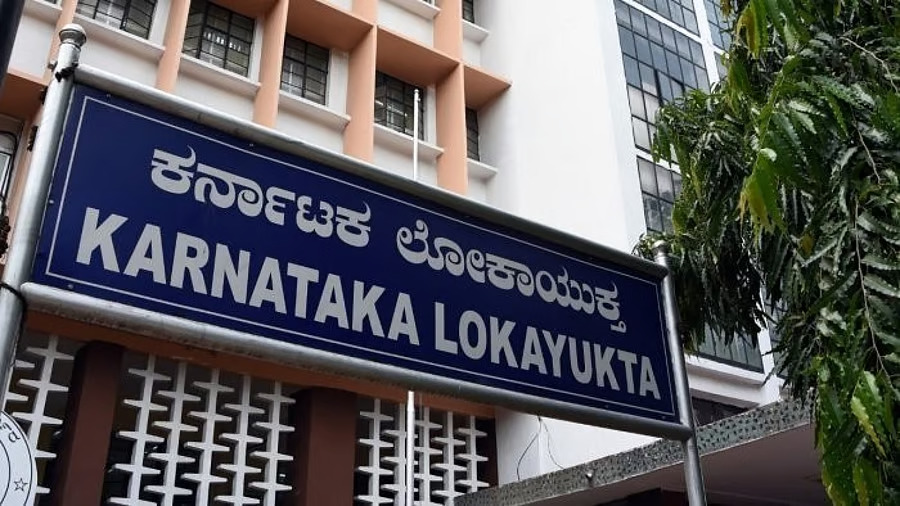
In a major development that has grabbed headlines across Karnataka and beyond, the Karnataka Lokayukta announced that its sleuths uncovered assets worth Rs 14.38 crore at multiple locations linked to Sardar Sarfaraz Khan, a senior bureaucrat serving as Secretary in the Housing and Minority Welfare Department of the state government. The investigation, part of a Disproportionate Assets (DA) case, involved raids at several properties believed to be connected to him and his relatives, raising questions about wealth accumulation, misuse of power, and accountability in public office.
The Lokayukta’s findings have triggered a firestorm of public discussion. The sheer value of the assets unearthed, spanning agricultural land, houses, vehicles, ornaments and financial investments, points to deeper concerns about integrity in governance and the effectiveness of oversight institutions.
Who Is Sarfaraz Khan and What Was Found?
Sardar Sarfaraz Khan is not just any bureaucrat. In addition to his official standing as Secretary to the Housing and Minority Welfare Department, he also served as the Director of Cooperative Societies, a position that places him at the center of significant financial and administrative activity. He is widely reported to have close connections with senior political leadership in the state.
On December 24, 2025, Lokayukta teams conducted coordinated raids at 13 locations associated with Khan. These included his personal residences, official premises, and homes of his relatives. The raids were part of a long-running probe into allegations that Khan possessed assets far beyond his known sources of income — a classic hallmark of a Disproportionate Assets case.
The results of these searches were staggering:
Four residential houses in various locations.
Around 37 acres of agricultural land, with an estimated market value of approximately Rs 8.44 crore.
Gold and ornaments valued at about Rs 3 crore.
Vehicles worth roughly Rs 1.64 crore.
Fixed deposits and other financial investments totaling nearly Rs 5.94 crore.
Altogether, these holdings added up to assets valued at Rs 14.38 crore, a significant sum for someone on a government salary. Evaluators believe these assets likely exceed what would reasonably be acquired through lawful income alone, which is the central concern in DA investigations.
Understanding Disproportionate Assets Investigations
A Disproportionate Assets case is one of the most powerful legal tools available to anti-corruption watchdogs in India. Essentially, if a public official’s declared income doesn’t match the value of assets they own — and no reasonable explanation or documented legitimate acquisition is provided — the person can be charged with disproportionate assets. This is often seen as an indirect but potent indicator of corruption, bribery, or misuse of official position.
Traditionally, such probes combine document searches, raids on residences and offices, and detailed financial analysis. The Lokayukta in Karnataka, an independent anti-corruption body with powers to investigate high public functionaries, has increasingly taken an active role in bringing such cases to light.
What makes the Sarfaraz Khan case striking is not just the amount of wealth involved but also his high rank and close political connections, which amplify public scrutiny and political sensitivity.
The Raid Itself: A Closer Look at What Happened
The Lokayukta’s operation was methodical and wide-ranging. On a single late-December morning, teams moved across multiple districts to search locations connected to Khan. The scope of the operation alone signals the seriousness of the investigation — raids on more than a dozen sites simultaneously require detailed planning, coordination with local law enforcement, and substantial legal preparation.
Authorities seized documents, property records, investment papers, and physical assets during the searches. The presence of significant agricultural land portfolios and multiple houses — some far exceeding what a bureaucrat’s salary could typically afford — raised immediate questions about unexplained wealth accumulation.
It’s important to recognize that such raids don’t necessarily prove guilt on the spot. Instead, they gather critical evidence that can later be analyzed in court and through financial forensics, with the aim of establishing whether assets are disproportionate to declared income and if they can be tied to illicit means.
Public Reaction and Political Implications
The revelations sparked intense public debate. Many citizens view the findings as validation of long-held suspicions that corruption at senior administrative levels remains a persistent problem in Indian governance.
Civil society voices have called for strict legal action if the Lokayukta’s evidence points to intentional concealment of assets or corrupt enrichment. There are demands for transparency about how officials amass significant wealth that seems out of sync with their legitimate earnings.
Political observers have also noted the sensitivity of the situation in Karnataka, where bureaucratic and political networks are closely intertwined. The fact that Khan is reported to be close to senior political figures adds complexity to the fallout. Some opposition voices have used the case to demand stronger institutional action and a reevaluation of how senior bureaucratic appointments are monitored and audited.
At the same time, supporters or acquaintances of the accused have urged caution, arguing that large assets aren’t necessarily evidence of wrongdoing without full context and accounting. This tension between legal standards of proof and public perception shapes much of the narrative surrounding high-profile DA cases.
The Bigger Picture: What This Says About Corruption and Accountability
The Sarfaraz Khan case is not an isolated incident. Across India, anti-corruption bodies, including Lokayuktas and the Central Bureau of Investigation (CBI), often uncover disproportionate assets among public officials. These cases highlight enduring systemic challenges:
Accountability mechanisms must keep pace with the creativity and opacity of illicit financial practices.
Transparency in public service remains a cornerstone of democratic governance, requiring constant vigilance by civil society and the media.
Institutional independence of anti-corruption bodies is critical to ensure that investigations remain insulated from political interference.
In Karnataka itself, the Lokayukta has been involved in several high-profile probes over the years, targeting government officials and politicians alike. These include land scams, bribery cases, and unlawful asset accumulation across sectors. What the Sarfaraz Khan case adds to this history is a vivid example of how wealth accumulation can raise red flags demanding legal scrutiny.
What Happens Next? The Legal Road Ahead
Following the raids and public disclosure of the discovered assets, the legal process will shift to the next stage. This usually involves:
Detailed asset valuation and financial scrutiny, including comparing declared income with actual asset values.
Interviews and examinations of transaction records, bank statements, property deeds, and investment portfolios.
Potential filing of legal charges or formal DA cases in court, where evidence will be tested and contested.
The central question for prosecutors will be whether there is evidence that wealth was accumulated through illegal means — such as bribes, kickbacks, or misuse of office — and whether the official failed to provide satisfactory explanations supported by documentation.
In many historical cases, even after initial evidence of disproportionate wealth is found, prolonged legal battles can unfold, with defenses citing inheritance, loans, or other legitimate sources for assets. How this particular case proceeds will likely be watched closely by both legal observers and the general public.
Conclusion: A Test of Institutions and Integrity
The Karnataka Lokayukta’s raids on Sarfaraz Khan’s properties represent a vivid chapter in the ongoing struggle against corruption within public institutions. The discovery of Rs 14.38 crore worth of assets, including houses, extensive land holdings, vehicles, and financial investments, has underscored concerns about wealth accumulation among senior bureaucrats and the effectiveness of oversight mechanisms.
FACTS Transcripts proudly serves students and professionals across a wide range of regions to support their academic and career goals. Our services are available in:
India
United States
Canada
United Kingdom
New Zealand
Australia
Russia
Middle East
North America
Africa
Our Services – FACTS Transcripts
We at FACTS Transcripts assist in various services, including:
Mark Sheet Transcripts
E-Transcripts
Duplicate Mark Sheets & Degree Certificates
Medium of Instructions Certificates
Attestations
HRD Attestation / Apostille Services
ECA (Educational Credentials Assessment)
Trusted by leading global verification organizations, including WES, IQAS, PEBC, NDEB, NASBA, CAPR, NZQA, ICAS, NCESS, ICES, ECE, eduPASS, ACEI, GCEUS, Comparative Education Services, NNAS, NCA, SAQA, QMAS, FORAC, Australian Pharmacy Council, and more.
FACTS Transcripts – The preferred choice for university document verification worldwide. We ensure a hassle-free process for obtaining your transcripts.