
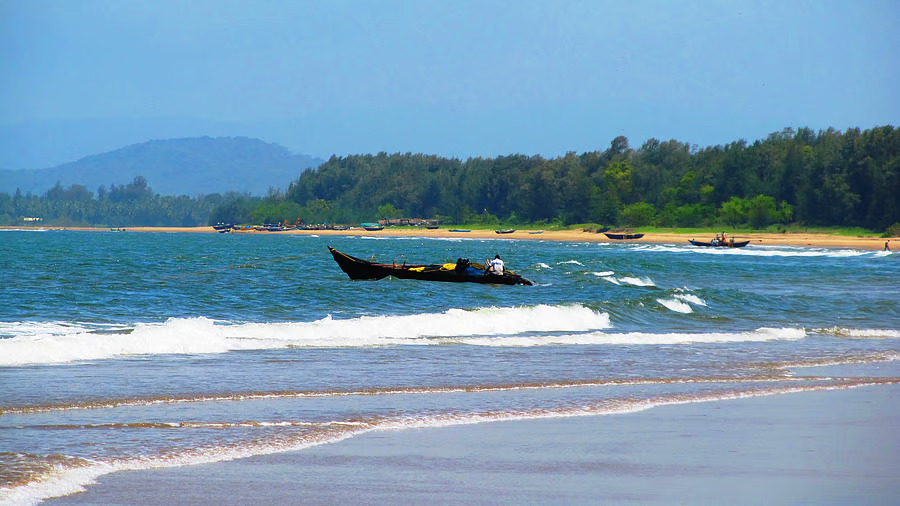
Karnataka’s long western shoreline — stretching over 320 kilometres along the Arabian Sea — has always been a quiet jewel on India’s map. Unlike its more famous neighbours, Goa and Kerala, the Karnataka coast has remained relatively under-the-radar for mainstream beach tourism. Yet beneath this serene stretch of sandy beaches, turquoise waters, lush green backdrops and cultural richness lies enormous potential. Today, the state is not just recognising that potential; it is actively planning to transform its coastline into a global tourism destination that can rival and even complement the famed beach culture of Goa.
This vision is part of a broader rethink of Karnataka’s tourism strategy — from relying heavily on inland destinations like hill stations, historical sites, wildlife sanctuaries and urban attractions, to embracing the full spectrum of tourism experiences that modern travellers seek. Karnataka’s coastal districts — Udupi, Dakshina Kannada and Uttara Kannada — are at the heart of this transformation. These districts have long been known for their natural beauty, cultural heritage, cuisine and riverine landscapes. Now, the state wants to build on these strengths to create a coastal tourism economy that is both sustainable and economically significant.
More Than Just Beaches: The Diverse Canvas of Coastal Karnataka
The coastline of Karnataka is much more than a single stretch of sand and sea. It includes dozens of beaches, each with its own character and appeal, along with river estuaries, backwaters, islands, heritage sites, forests and vibrant local cultures that can attract a wide range of visitors.
From the pristine serenity of Padubidri Beach with its Blue Flag status and quiet ambience, to the iconic Tannirbhavi Beach near Mangaluru being developed for international recognition, these sites have unique tourism value. There are historic coastal towns like Bhatkal where scenic beauty meets centuries-old architecture and cultural heritage. Further north, the Uttara Kannada coast — with its quiet coves and forested hinterlands — offers opportunities for eco-tourism, river cruises, houseboat stays and wilderness exploration.
These diverse elements provide Karnataka with a multifaceted tourism portfolio that goes beyond the sandy shorelines that most people immediately associate with seaside travel. It means the state can offer adventure tourism, cultural tourism, maritime tourism, inland waterway experiences, cuisine tourism and wellness retreats — weaving coastal beauty with immersive cultural experiences and natural landscapes.
A Plan Inspired by Success, Tailored to Karnataka
For decades, Goa has been the quintessential Indian beach destination — known for its relaxed vibe, nightlife, water sports, shacks, cultural festivals, boutique hotels and international appeal. There is much that Karnataka admires in this success story: the ability to draw tourists from across India and abroad, the strong hospitality ecosystem, and the vibrant beach economy that supports local livelihoods.
But Karnataka’s strategy is not about copying Goa. Instead, it takes inspiration from Goa’s achievements while charting its own unique path. The tourism vision emphasises responsible development, environmental sustainability, and leveraging the natural and cultural distinctiveness of the Karnataka coast to create a nuanced tourism experience.
This means planning that blends blue economy principles with tourism ambitions — where coastal development is carried out with respect for ecosystems, biodiversity and the livelihoods of local communities. Plans under consideration include developing critical infrastructure such as marinas, cruise terminals, river cruises, houseboat experiences, boutique resorts, luxury hotels and cultural circuits in addition to traditional beachfront activities.
To support this vision, the government has been formulating a coastal tourism policy and setting up dedicated institutional mechanisms to drive structured development. A new Coastal Tourism Development Board and specialised policy frameworks are intended to guide investment, infrastructure creation, environmental protection and marketing of the region as a global tourism destination.
Blue Flag and Beyond: Raising the Standard of Coastal Attractions
An important part of Karnataka’s long-term tourism development is the pursuit of internationally recognised standards for its beaches. The Blue Flag certification, which is awarded to beaches meeting stringent environmental, safety, and sustainability criteria, has become a key goal.
Identifying additional beaches for Blue Flag development not only enhances their credibility among discerning travellers but also ensures amenities, cleanliness and protocols that enrich the visitor experience. This, in turn, builds confidence among tourists who might otherwise bypass lesser-known coastal locations in favour of better-promoted destinations.
The focus on cleaner, safer and internationally benchmarked beaches, together with investments in access routes, public utilities and waste management, is intended to create a coastline that stands out not just for its natural beauty but for the overall quality of the tourism experience.
Investments and Infrastructure: Building the Foundation for Growth
Tourism is not just about scenic beauty; it is about accessibility, comfort, and memorable human experiences. Recognising this, both government and private sectors are stepping up investments in hospitality infrastructure along the coast.
Significant new hotel projects, including five-star properties, are being planned and built in key coastal hubs. These luxury accommodations aim to attract high-spending tourists who might otherwise choose destinations like Goa or Kerala. In addition to luxury hotels, mid-range and boutique stays, homestays, beach resorts and eco-retreats are part of a diversified hospitality mix that can serve families, adventure seekers, honeymooners and international visitors alike.
Road connectivity improvements, upgraded transport networks, better signage, online information portals and digital booking platforms are also part of the ecosystem required for a vibrant tourism sector. These improvements help not just visitors, but also local businesses, small hoteliers, guides, artisans and vendors who benefit from increased tourism activity.
Economic Impact and Community Empowerment
Tourism is primarily a people-centric industry, and Karnataka’s coastal tourism push recognises this. By attracting more visitors, the state seeks to create jobs, strengthen local economies, and build entrepreneurial opportunities for coastal communities. From tour operators and guides to hospitality staff, boat operators, local artisans, food vendors and transportation services, a dynamic coastal tourism sector can generate diverse employment options.
Moreover, training programs in hospitality, water sports, eco-tourism operations and foreign language skills can enhance the employability of local youth. Partnerships between government agencies, private hospitality firms and educational institutions can help build a skilled workforce that contributes to both quality service delivery and community wellbeing.
Another dimension of economic benefit comes from ancillary industries such as handicrafts, cultural tourism events, culinary tourism and heritage experiences — all of which enrich the cultural narrative of coastal Karnataka while stimulating commerce.
Balancing Tourism With Sustainability
As Karnataka seeks to expand its tourism footprint, it is acutely aware of the environmental sensitivities of coastal ecosystems. Many beaches are home to turtle nesting sites, mangroves provide natural protection against erosion, and the Arabian Sea’s marine biodiversity supports both fishing communities and ecological balance.
Sustainable tourism planning, therefore, is not an option but a necessity. Measures such as waste management systems, restrictions on harmful construction along sensitive shorelines, promotion of eco-friendly water sports, recycling initiatives, and coastal vegetation protection are integral to maintaining the beauty that draws tourists in the first place.
In addition, collaboration with international partners, environmental NGOs, civil society and scientific bodies helps ensure that tourism growth does not come at the expense of coastal ecosystems.
Cultural and Experiential Tourism: More Than Sun and Sand
One of Karnataka’s greatest strengths is its cultural depth. The coastal region is home to diverse linguistic and cultural groups, including Tulu, Konkani, Beary and other communities whose traditions, festivals, music, dance, literature and food offer experiential richness that adds layers to a tourist’s visit.
Events like folk festivals, traditional boat races, local cuisine trails featuring seafood delicacies, temple festivals and music performances provide immersive cultural experiences that go beyond the typical “sun and sand” beach trip. These experiences can be packaged into tourism circuits that allow visitors to explore not just the beaches but the region’s living heritage.
Tourism planners are increasingly advocating for experiential tourism — an approach where travelers engage deeply with local life, history and environment rather than just passively observing. This form of tourism nurtures respect for local culture, distributes economic benefits more widely and encourages longer stays.
Challenges and the Path Ahead
While the vision is ambitious and comprehensive, realising it will require consistent effort, collaboration and careful planning. Challenges such as environmental protection, community involvement, sustainable infrastructure funding and maintaining the natural charm of coastal towns amid rapid development need continuous attention.
Ensuring safety, sanitation, mobility, and efficient visitor information systems is equally important. Coastal regions are also vulnerable to climate change impacts such as sea-level rise, coastal erosion and extreme weather events. Any long-term tourism strategy must therefore embed resilience into infrastructure and planning.
The successes of neighbouring states provide valuable lessons, but Karnataka’s strength lies in its ability to shape an identity that is authentically its own. By combining beaches with culture, cuisine, ecological wonders and contemporary comforts, Karnataka’s coastline can become more than a destination — it can become a story that millions of tourists want to experience.
Conclusion: A New Era for Karnataka’s Coast
Karnataka’s plans for coastal tourism represent a bold vision for the future. With a coastline that stretches over 320 kilometres, the state holds immense potential to redefine seaside travel in India. This is not just about competing with established destinations like Goa; it is about creating a vibrant, responsible, inclusive and sustainable tourism ecosystem that celebrates natural beauty, cultural diversity and economic opportunity.
If Karnataka succeeds, the coastline could become a place where tranquil beaches, lively cultural festivals, luxury resorts, eco-friendly water adventures and historic towns all coexist — offering visitors an unforgettable journey that is uniquely Karnataka.
FACTS Transcripts proudly serves students and professionals across a wide range of regions to support their academic and career goals. Our services are available in:
India
United States
Canada
United Kingdom
New Zealand
Australia
Russia
Middle East
North America
Africa
Our Services – FACTS Transcripts
We at FACTS Transcripts assist in various services, including:
Mark Sheet Transcripts
E-Transcripts
Duplicate Mark Sheets & Degree Certificates
Medium of Instructions Certificates
Attestations
HRD Attestation / Apostille Services
ECA (Educational Credentials Assessment)
Trusted by leading global verification organizations, including WES, IQAS, PEBC, NDEB, NASBA, CAPR, NZQA, ICAS, NCESS, ICES, ECE, eduPASS, ACEI, GCEUS, Comparative Education Services, NNAS, NCA, SAQA, QMAS, FORAC, Australian Pharmacy Council, and more.
FACTS Transcripts – The preferred choice for university document verification worldwide. We ensure a hassle-free process for obtaining your transcripts.