
Introduction: A Curious Blend of Tradition and Modern Concern
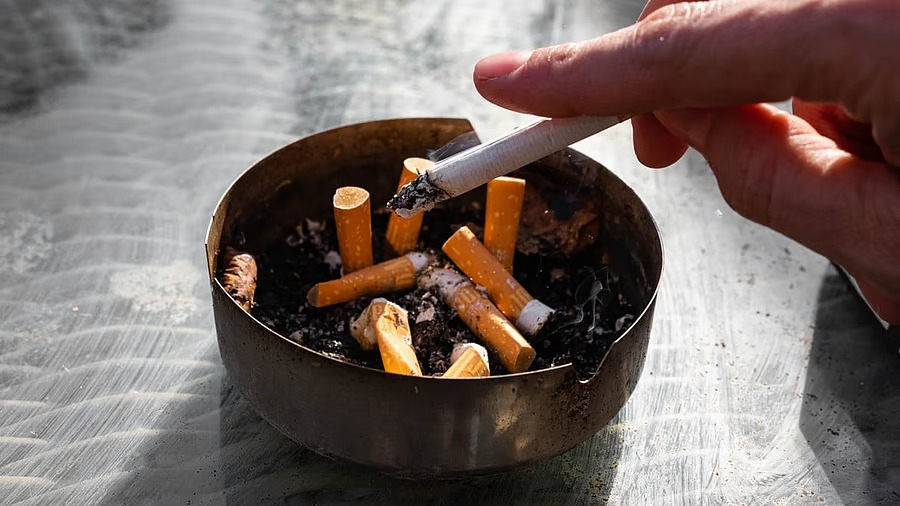
In a small region of Uttar Pradesh, an unusual health practice has drawn attention, debate, and concern among locals and health professionals alike. A self-styled spiritual healer — widely known in his community simply as Baba — has gained followers for an unconventional method of treating ailments: using cigarette smoke as a therapeutic agent.
The practice, which involves administering controlled cigarette smoke to patients suffering from a range of conditions, has become both a local phenomenon and a subject of broader discussion about health myths, cultural beliefs, and the challenges of public health outreach in rural India.
The Baba and His Method
The man at the center of this story presents himself as a traditional healer with a deep understanding of human ailments. Clad in simple robes and often accompanied by crowds of followers, he holds daily sessions where people come seeking relief from various physical and emotional hardships.
According to his supporters, the Baba’s method involves asking patients to inhale cigarette smoke in a specific manner — sometimes through guided breathing exercises — purportedly to cure respiratory distress, digestive issues, stress, and even chronic pain.
Locals describe the sessions as a blend of ritual and practical advice, with the Baba often delivering spiritual messages alongside the smoke therapy.
Followers Share Diverse Experiences
For many residents, the Baba’s sessions provide more than physical treatment; they offer hope. Testimonials from villagers range from dramatic praise to cautious optimism.
Some claim that after following the Baba’s instructions, they experienced improvements in energy levels, reduction in headaches, and a sense of psychological calm. Others say the gatherings themselves fostered community support, which helped them cope with stress and anxiety.
Several elderly participants noted that they were previously skeptical but chose to take part due to persistent health issues that they felt were not effectively addressed by conventional medicine. Their narratives highlight a yearning for solutions where mainstream healthcare services seemed inaccessible or inadequate.
Medical Experts Raise Alarms
Despite its popularity among devotees, the practice has alarmed health professionals and public health advocates. Medical experts emphasize that cigarette smoke contains harmful chemicals that are well-documented to cause respiratory diseases, heart complications, and cancers. Their concern is that any suggestion of health benefits from smoking can mislead vulnerable populations and undermine years of tobacco control efforts.
According to doctors, there is no scientific evidence to support the use of cigarette smoke as a therapy. On the contrary, inhaling smoke has been linked repeatedly to increased risk of chronic bronchitis, emphysema, cardiovascular disease, and multiple types of cancer.
Healthcare professionals warn that promoting smoke inhalation — even under the guise of healing — could exacerbate existing health problems and contribute to long-term harm.
The Socioeconomic Context
The phenomenon also highlights broader socioeconomic pressures in rural Uttar Pradesh. Access to quality medical services is limited in many villages, where government clinics may be understaffed and private healthcare is financially out of reach for large segments of the population.
In such scenarios, community members often turn to alternative healers, faith leaders, or local remedies with little oversight. The Baba’s popularity, therefore, cannot be seen in isolation. It reflects a deeper yearning for accessible care and a cultural landscape where traditional beliefs still wield significant influence.
Public Health Outreach Faces Challenges
Public health officials admit that combating deeply rooted health myths is a difficult task, especially in areas where literacy levels are low and misinformation can spread rapidly through word of mouth.
Efforts to educate people about the dangers of tobacco have yielded progress in urban centres and among younger populations, but rural regions still experience high rates of smoking and tobacco use. In this context, a charismatic figure claiming therapeutic expertise — even with unorthodox methods — can attract followers who may not have access to reliable health information.
Officials stress the importance of strengthening health education, improving local clinic services, and engaging trusted community leaders to counter harmful practices with science-based advice.
Voices of Concern: Families and Educators Speak Out
Some relatives of those who attended the Baba’s sessions have expressed worry about the potential long-term effects of repeated smoke inhalation. Parents, in particular, fear that younger participants might be influenced to experiment with smoking outside the context of the healing gatherings.
Teachers and community educators have echoed these concerns, arguing that dismantling myths requires consistent dialogue with families and clear communication about the dangers of tobacco use.
Their voices reflect a growing awareness that public health solutions must engage with cultural narratives while firmly advocating for practices backed by evidence.
The Baba’s Response to Criticism
When questioned about the criticisms from doctors and health advocates, the Baba maintains that his approach is rooted in experience and tradition. He argues that many people who came to him after failing to find relief elsewhere reported positive outcomes.
Supporters insist that the sessions are carefully controlled and that participants are not encouraged to smoke outside the healing context. Some devotees even claim that the ritualistic aspect of the gathering — the sense of community and spiritual reassurance — plays a significant role in perceived benefits.
Nevertheless, these assertions have done little to pacify health experts, who emphasize that perceived short-term relief does not equate to long-term safety.
Broader Implications for Rural Health
The unfolding conversation around this unusual practice brings attention to persistent gaps in rural healthcare infrastructure. While India has made strides in expanding access to medical services, many regions still face shortages of qualified professionals, limited diagnostic tools, and barriers to preventive care.
These challenges create fertile ground for alternative healers who fill a vacuum — for better or worse — simply because they are accessible, familiar, and often more trusted than distant government institutions.
Health advocates call for a dual approach: strengthening evidence-based medical infrastructure while respecting cultural contexts and using community influencers to promote safe and healthy practices.
Conclusion: Tradition, Trust, and the Path Ahead
The story of the Baba who uses cigarette smoke as medicine is not just a local curiosity; it raises important questions about belief systems, public health education, and the challenges of bridging tradition with scientific understanding.
FACTS Transcripts proudly serves students and professionals across a wide range of regions to support their academic and career goals. Our services are available in:
India
United States
Canada
United Kingdom
New Zealand
Australia
Russia
Middle East
North America
Africa
Our Services – FACTS Transcripts
We at FACTS Transcripts assist in various services, including:
Mark Sheet Transcripts
E-Transcripts
Duplicate Mark Sheets & Degree Certificates
Medium of Instructions Certificates
Attestations
HRD Attestation / Apostille Services
ECA (Educational Credentials Assessment)
Trusted by leading global verification organizations, including WES, IQAS, PEBC, NDEB, NASBA, CAPR, NZQA, ICAS, NCESS, ICES, ECE, eduPASS, ACEI, GCEUS, Comparative Education Services, NNAS, NCA, SAQA, QMAS, FORAC, Australian Pharmacy Council, and more.
FACTS Transcripts – The preferred choice for university document verification worldwide. We ensure a hassle-free process for obtaining your transcripts.