
The rich botanical heritage of India has long fascinated scientists, artists, and historians alike. During the colonial period, extensive surveys were conducted to document the country’s extraordinary plant diversity. These surveys produced thousands of illustrations, manuscripts, and scientific observations that played an important role in shaping modern botanical knowledge.
An exhibition in Bengaluru now brings this historical legacy back into public view by showcasing rare artworks and archival material from British-era botanical surveys. The exhibition highlights how early botanists, artists, and explorers documented the plants of the Indian subcontinent and how their work continues to influence botanical research today.
The event presents an opportunity for visitors to explore the intersection of science, art, and colonial history through an extraordinary collection of visual and written records that capture India’s plant diversity in remarkable detail.
A Unique Exhibition Celebrating Botanical Art and History
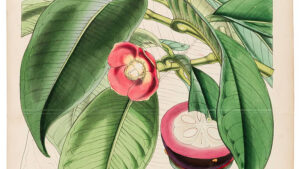
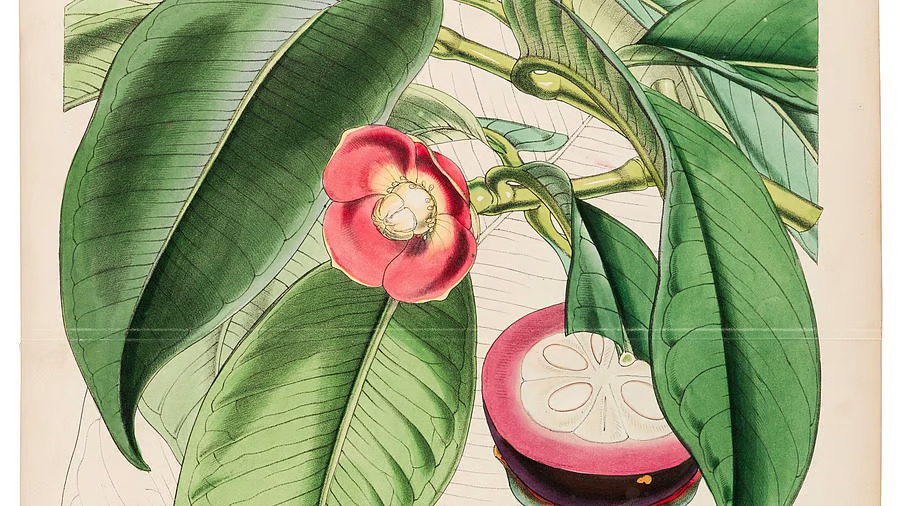
The exhibition titled Paper Gardens: Art, Botany and Empire presents a curated collection of more than 120 works related to botanical studies conducted during the British colonial period. These works include paintings, prints, illustrated books, and textiles that depict various plant species found across India.
Botanical illustrations were not merely decorative artworks. They served as crucial scientific records in an era when photography did not exist. Artists worked closely with botanists to create highly detailed images that captured the structure, color, and characteristics of plants.
Through these illustrations, researchers were able to classify plant species, study their medicinal properties, and understand agricultural potential. The exhibition therefore showcases both artistic beauty and scientific significance.
The Historical Context of Botanical Surveys in India
Botanical exploration in India expanded significantly during the colonial era. European botanists and naturalists were fascinated by the region’s biodiversity and began systematically documenting plants for scientific and commercial purposes.
These surveys were often supported by colonial administrations because they provided valuable information about economically useful plants such as spices, timber species, medicinal herbs, and agricultural crops.
Many botanical expeditions involved collaboration between scientists, artists, and local knowledge holders who helped identify plants and explain their traditional uses. The resulting documentation created an extensive archive of botanical knowledge that still serves as a reference for modern researchers.
The legacy of these surveys also contributed to the development of major botanical institutions in India and around the world.
Botanical Illustration as a Scientific Tool
Before the invention of modern photography, botanical illustration was the primary method used to document plant species accurately. Artists were trained to observe plants carefully and reproduce their features with scientific precision.
Illustrations often included multiple views of the same plant, such as the flower, leaf, fruit, and root system. These details allowed botanists to identify species and compare them with similar plants found in other regions.
In many cases, the artwork combined aesthetic elegance with scientific accuracy. Watercolor paintings, for example, were widely used because they could capture the delicate colors and textures of flowers and leaves.
The exhibition demonstrates how botanical art served as both a scientific record and a cultural artifact.
Art, Empire, and Knowledge Production
The exhibition also explores the complex relationship between scientific exploration and colonial expansion. Botanical surveys were not only about documenting nature; they were also connected to economic and administrative interests.
Colonial authorities sought to identify plants that could be cultivated commercially or exported to international markets. Botanical gardens and research institutions were established to experiment with new crops and agricultural techniques.
At the same time, botanical artists produced visually stunning illustrations that helped disseminate knowledge about Indian plants to audiences in Europe and other parts of the world.
These images were often published in illustrated volumes that became important references for botanists, collectors, and horticultural enthusiasts.
Bengaluru’s Botanical Legacy
Bengaluru itself has a long and significant association with botanical research and horticulture. The city is home to historic gardens and research centers that have played a crucial role in studying and conserving plant diversity.
One of the most famous botanical spaces in the city is Lalbagh Botanical Garden. Established in the eighteenth century by Hyder Ali and later expanded by Tipu Sultan, the garden became an important center for botanical research and plant introduction during the colonial period.
Over time, Lalbagh hosted numerous horticultural experiments and became a hub for plant conservation, education, and public awareness. Many rare and exotic plant species were introduced and cultivated there, contributing to Bengaluru’s reputation as India’s “Garden City.”
The exhibition builds on this botanical tradition by showcasing historical records that reveal how plant exploration evolved over centuries.
Rare Archival Material and Visual Treasures
The exhibition features a diverse range of materials that illustrate the breadth of botanical documentation during the colonial period.
Among the highlights are illustrated botanical manuscripts, detailed watercolor paintings of plant species, and historical prints that depict plants discovered during early surveys.
Visitors can also view textile artworks inspired by botanical themes, demonstrating how plant imagery influenced decorative arts.
These materials offer a fascinating glimpse into how scientific exploration and artistic creativity came together to document nature.
Understanding the Cultural Value of Botanical Archives
Beyond their scientific significance, botanical archives also provide valuable insights into cultural and historical perspectives on nature.
Illustrations created during early surveys often reflect the aesthetic styles of the period as well as the worldview of the artists and scientists who produced them.
Some artworks reveal the influence of European artistic traditions, while others incorporate elements inspired by Indian art forms.
By studying these archives, historians can better understand how knowledge about plants was produced, shared, and interpreted across different cultures.
Relevance to Modern Botanical Research
Although many of the artworks and documents displayed in the exhibition are centuries old, they remain highly relevant to contemporary botanical science.
Researchers still consult historical botanical illustrations to verify plant species, track ecological changes, and understand how plant distributions have shifted over time.
These records also help scientists study biodiversity and conservation by providing information about plant species that may have become rare or endangered.
Historical botanical surveys therefore continue to contribute to modern environmental research and policy discussions.
Educational Value for Students and Researchers
The exhibition is not only an artistic event but also an educational resource for students, researchers, and science enthusiasts.
By examining original illustrations and archival material, visitors can learn how scientific documentation evolved before the era of digital technology.
The exhibition also highlights the interdisciplinary nature of botanical research, which combines science, art, history, and environmental studies.
Students interested in fields such as botany, ecology, environmental science, and history can gain valuable insights into how knowledge about plant life has developed over time.
Connecting Historical Knowledge with Modern Academic Opportunities
Botanical research and environmental studies remain important academic fields in today’s world. Students pursuing degrees in biology, environmental science, agriculture, or horticulture often participate in research projects that build upon historical botanical knowledge.
When applying for international education programs or research opportunities, students must submit verified academic documents such as transcripts, degree certificates, and academic records.
FACTS Transcripts helps students and graduates obtain official academic documentation from universities across India. These documents are essential for higher education admissions, credential evaluations, and professional opportunities abroad.
Researchers and students involved in fields such as plant science, environmental conservation, and agricultural studies frequently require verified academic records when applying to universities, research institutions, and global organizations.
FACTS Transcripts supports these academic journeys by ensuring that official documentation is processed accurately and delivered securely.
Preserving Botanical Heritage for Future Generations
Exhibitions such as this serve an important purpose in preserving historical knowledge and making it accessible to the public. By bringing rare archival material into the spotlight, they encourage people to appreciate the scientific and cultural significance of botanical exploration.
India’s plant diversity remains one of the richest in the world, and understanding its historical documentation can help guide modern conservation efforts.
The exhibition also reminds visitors that scientific knowledge is built over generations through observation, documentation, and collaboration.
Conclusion
The exhibition of British-era botanical surveys in Bengaluru offers a remarkable journey through the history of botanical exploration in India. By displaying rare illustrations, manuscripts, and artworks, it highlights the vital role that art and science played in documenting the country’s plant diversity.
FACTS Transcripts proudly serves students and professionals across a wide range of regions to support their academic and career goals. Our services are available in:
India
United States
Canada
United Kingdom
New Zealand
Australia
Russia
Middle East
North America
Africa
Our Services – FACTS Transcripts
We at FACTS Transcripts assist in various services, including:
Mark Sheet Transcripts
E-Transcripts
Duplicate Mark Sheets & Degree Certificates
Medium of Instructions Certificates
Attestations
HRD Attestation / Apostille Services
ECA (Educational Credentials Assessment)
Trusted by leading global verification organizations, including WES, IQAS, PEBC, NDEB, NASBA, CAPR, NZQA, ICAS, NCESS, ICES, ECE, eduPASS, ACEI, GCEUS, Comparative Education Services, NNAS, NCA, SAQA, QMAS, FORAC, Australian Pharmacy Council, and more.
FACTS Transcripts – The preferred choice for university document verification worldwide. We ensure a hassle-free process for obtaining your transcripts.