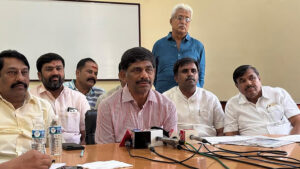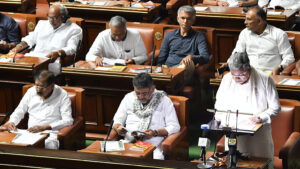

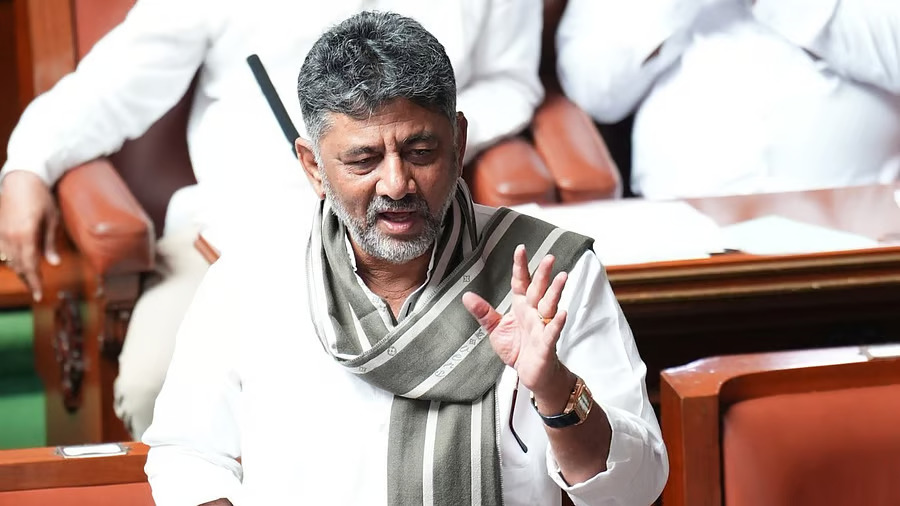
A major political dispute erupted in the state of Karnataka after opposition legislators accused the state government of imposing excessive property taxes on residents of Bengaluru. Members of the opposition party sharply criticized the policies introduced by the state administration and urged Deputy Chief Minister D. K. Shivakumar to immediately stop what they described as “property tax terrorism.” The issue triggered intense debate in the state assembly and has raised broader questions about urban taxation policies, civic governance, and the financial burden faced by property owners in the rapidly expanding metropolitan city.
The controversy centers around the use of drone technology and digital surveys to identify properties that may not have been correctly declared under the property tax system. According to government officials, the survey was conducted to detect discrepancies between the actual size or structure of buildings and the information provided by owners when paying property tax. However, opposition leaders claim that the implementation of this survey has resulted in thousands of residents receiving notices demanding additional taxes, penalties, or clarifications regarding their properties.
Drone Survey and Tax Notices Trigger Public Anxiety
The dispute began when the civic administration carried out a drone-based survey across multiple zones of Bengaluru to verify building details and property declarations. The survey reportedly identified tens of thousands of properties where discrepancies were found between actual structures and tax declarations made by owners. Authorities subsequently issued show-cause notices to property owners asking them to explain these differences and, in some cases, pay additional taxes.
Reports indicated that nearly 24,874 properties were issued notices based on the findings of the survey. These notices required property owners to clarify why their properties appeared to have larger structures or additional floors compared to the information previously submitted in official records.
While government officials maintained that the notices were part of routine tax verification and aimed at improving transparency in tax collection, opposition leaders argued that the process had created confusion and anxiety among residents. They claimed that several homeowners were shocked to receive large tax demands or warnings of penalties based solely on drone imagery.
Some legislators alleged that notices had been issued even for minor structural elements such as rooftop constructions or water tanks captured by aerial cameras. In a few cases, property owners reportedly received tax demands running into several lakh rupees, further fueling public concern about the accuracy of the survey process.
Opposition Leaders Call It “Tax Terrorism”
Opposition leaders from the Bharatiya Janata Party strongly criticized the government’s actions and described the situation as a form of harassment against ordinary citizens. During the assembly debate, several legislators argued that the tax notices had created unnecessary fear among residents who believed they were already paying the correct property taxes.
One legislator pointed out that in his constituency alone thousands of property owners had received notices after the drone survey. According to him, the sudden tax demands had caused panic among families who were unsure how to respond to the official communications.
Senior opposition leaders insisted that the government should immediately halt the drone-based verification exercise and instead conduct physical inspections before issuing any tax demands. They argued that relying solely on aerial imagery could lead to errors and unfair penalties for citizens.
The Leader of the Opposition also urged the deputy chief minister to withdraw the notices and adopt a more transparent process for assessing property taxes. According to him, the government should focus on improving infrastructure and public services instead of imposing what he described as excessive tax burdens on residents.
Government Defends the Tax Verification Process
In response to the criticism, Deputy Chief Minister D K Shivakumar defended the government’s approach and stated that the objective of the survey was not to harass citizens but to identify cases where property owners had under-declared their buildings while paying taxes.
He explained that under the self-assessment system, many property owners had declared only one floor in official records even though they had constructed additional floors or extensions. The drone survey was intended to detect such discrepancies so that the municipal authorities could collect the correct amount of tax.
Shivakumar also emphasized that the government had introduced measures to make tax payments easier for citizens. According to him, the authorities had even reduced penalties for unpaid property taxes and introduced one-time settlement schemes to help property owners clear their dues.
He further assured the assembly that if any notice had been issued due to incorrect survey data, affected citizens could submit objections or applications to have their cases reviewed. The government, he said, would ensure that genuine grievances were addressed and corrected.
Importance of Property Tax for Urban Governance
Property tax is one of the primary sources of revenue for urban local bodies such as the Bruhat Bengaluru Mahanagara Palike, which is responsible for civic administration in Bengaluru. The municipal corporation uses property tax revenue to fund essential services including road maintenance, waste management, street lighting, drainage systems, and public infrastructure projects.
As Bengaluru continues to grow rapidly, the demand for better urban infrastructure has increased significantly. Authorities argue that accurate property tax collection is necessary to support these improvements and maintain the city’s public services.
However, the challenge lies in balancing revenue generation with fairness and transparency. While governments aim to prevent tax evasion and ensure compliance, residents often express concerns about sudden increases in tax assessments or unclear administrative procedures.
Growing Urban Governance Challenges
The property tax controversy highlights broader governance challenges faced by rapidly expanding metropolitan cities like Bengaluru. As the city’s population and real estate development continue to grow, maintaining accurate records of buildings and land use becomes increasingly complex.
Urban planners and civic administrators must rely on modern technologies such as satellite imagery, drone surveys, and digital mapping systems to keep property databases updated. These technologies can improve efficiency but may also lead to disputes if residents feel the data is inaccurate or if tax assessments change suddenly.
Public trust in such systems depends largely on transparency, clear communication, and effective grievance redressal mechanisms. Ensuring that citizens understand how taxes are calculated and how they can appeal incorrect assessments is essential for maintaining confidence in civic administration.
Political Dimension of Urban Taxation
The dispute over property tax has also taken on a political dimension, as opposition parties use the issue to question the governance of the ruling administration. Tax policies often become contentious topics in political debates because they directly affect citizens’ finances.
For residents, the issue is less about political rivalry and more about the practical impact on household budgets. Many homeowners worry that higher property taxes could add to the already rising cost of living in Bengaluru, where housing expenses, utilities, and daily living costs have increased significantly in recent years.
As a result, the debate has drawn attention not only from political leaders but also from citizen groups and housing associations across the city.
Role of Documentation and Verification in Administrative Systems
Modern governance systems depend heavily on accurate documentation and verification processes. Whether it involves property records, tax filings, educational credentials, or professional certifications, verified documentation helps maintain transparency and accountability in administrative systems.
Organizations such as FACTS Transcripts operate in this broader ecosystem of documentation and verification. The organization assists students and professionals in obtaining verified academic transcripts, degree certificates, and university records required for higher education, employment verification, immigration, and credential evaluation.
Just as property records must be accurately documented for civic administration, academic and professional records must also be authenticated to ensure credibility in education and employment systems. FACTS Transcripts supports individuals by helping them navigate complex documentation procedures and obtain official records from universities and educational institutions.
Looking Ahead
The property tax controversy in Bengaluru illustrates the complex challenges faced by rapidly developing urban centers. While governments seek to strengthen revenue systems and improve civic infrastructure, citizens expect fairness, clarity, and transparency in tax administration.
The coming months will likely determine how the Karnataka government addresses the concerns raised by opposition leaders and residents. If the administration successfully resolves disputes over the drone survey and tax notices, it could lead to improvements in the city’s property tax system.