
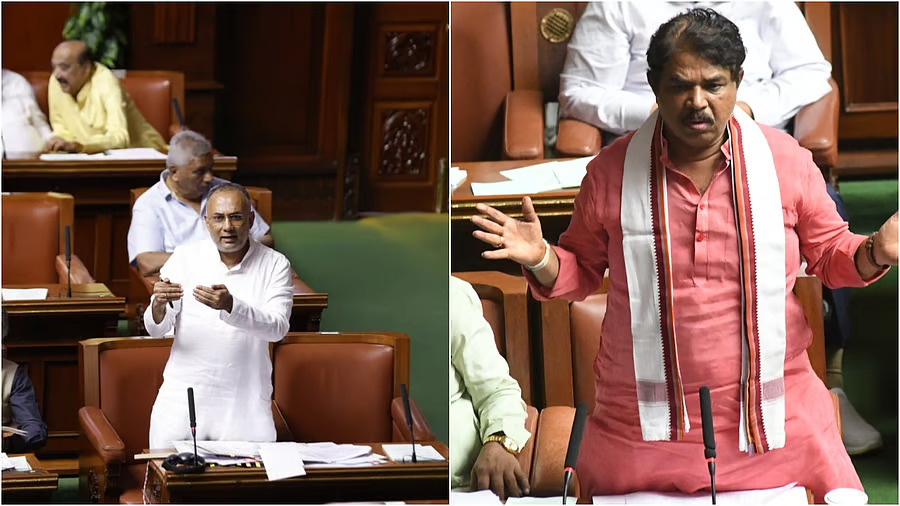
A heated political confrontation has emerged in the state of Karnataka after opposition leaders sharply criticized the functioning of the state’s health department. The controversy began when senior opposition leader R. Ashoka launched a strong attack on the state’s Health Minister Dinesh Gundu Rao during discussions on the condition of healthcare services in the state assembly.
Ashoka made a pointed remark that the health minister himself may be healthy, but the department he oversees is “sick.” The comment quickly drew attention in political circles and triggered intense debate over the current state of public healthcare in Karnataka. According to the opposition, the government-run health system is facing serious challenges including shortages of medicines, lack of doctors in rural areas, and concerns about the functioning of primary health centres across the state.
The exchange reflects the growing political tensions surrounding healthcare infrastructure in Karnataka, especially as citizens rely heavily on government hospitals and health centres for affordable medical treatment.
Allegations of Medicine Shortages and Staff Deficit
One of the central accusations raised by the opposition concerns the alleged shortage of essential medicines in government hospitals. R. Ashoka claimed that several public healthcare facilities across Karnataka are struggling to maintain consistent supplies of basic medicines, forcing patients to purchase medicines from private pharmacies even when they seek treatment in government institutions.
The opposition has argued that the shortage of medicines undermines the purpose of public healthcare programs designed to support economically weaker sections of society. Government hospitals are intended to provide free or affordable treatment, but critics say that gaps in medicine supply create additional financial burdens for patients.
Another concern raised in the assembly was the shortage of doctors in several government health centres. According to opposition leaders, many medical posts remain vacant, particularly in rural and semi-urban areas where government healthcare facilities are often the only available medical services. These shortages, they argue, are affecting the quality of treatment and increasing pressure on the doctors who are currently serving in these facilities.
Healthcare experts have long pointed out that doctor shortages in rural areas are a nationwide challenge, but opposition leaders claim the situation in Karnataka requires urgent policy intervention.
Debate Over Primary Health Centres
A major point of discussion during the political exchange involved the future of primary health centres in the state. Primary health centres form the backbone of rural healthcare systems and provide basic medical services, vaccinations, maternal care, and disease prevention programs to communities.
During the debate, the health minister referred to concerns regarding several primary health centres that may face operational challenges. Reports mentioned discussions about around 270 centres that the government was examining due to administrative or operational issues.
Primary health centres are crucial for delivering healthcare services to remote areas where hospitals and specialist facilities are limited. Any suggestion that these centres might be closed or restructured immediately becomes a sensitive issue because it directly affects rural populations who depend on them.
Opposition leaders argued that instead of reducing services, the government should strengthen these centres by recruiting doctors, improving infrastructure, and ensuring adequate medicine supplies.
State Government’s Position on Healthcare Issues
Health Minister Dinesh Gundu Rao has defended the government’s approach and stated that efforts are underway to address the concerns raised by medical professionals and healthcare workers. The minister has previously expressed confidence that ongoing discussions with doctors’ associations and health department staff would help resolve several long-pending issues within the department.
According to the government, many of the challenges in the healthcare system stem from structural issues that have developed over several years. These include staffing shortages, outdated administrative procedures, and financial constraints affecting infrastructure upgrades.
The minister has also indicated that the government plans to recruit additional doctors and healthcare workers to strengthen the system. Discussions with medical associations have focused on improving working conditions, filling vacant posts, and ensuring that healthcare services continue without disruption.
Impact on Public Healthcare Services
The debate over medicine shortages and doctor vacancies highlights a broader challenge faced by public healthcare systems across India. Government hospitals often handle a massive patient load, particularly from economically weaker sections of society who cannot afford private healthcare.
In Karnataka, the public health network includes hundreds of primary health centres, community health centres, district hospitals, and specialized medical institutions that serve millions of residents. These facilities play a crucial role in providing affordable healthcare services including maternal care, immunization programs, disease prevention initiatives, and emergency treatment.
When shortages of medicines or medical staff occur, the pressure on the healthcare system increases significantly. Patients may face longer waiting times, limited treatment options, and increased reliance on private healthcare providers.
The issue has become especially sensitive in rural areas where government health centres are often the only accessible medical facilities within a large geographical area.
Political Accountability and Public Welfare
Healthcare often becomes a major political issue because it directly affects the daily lives of citizens. Governments are expected to maintain functional hospitals, ensure adequate medical staff, and provide essential medicines for patients.
Opposition parties frequently highlight shortcomings in these areas to hold the government accountable and demand improvements. At the same time, governments argue that reforms and recruitment initiatives require time and financial resources.
The exchange between R. Ashoka and Dinesh Gundu Rao reflects this broader political dynamic where healthcare challenges become part of the legislative debate.
Such debates, while politically charged, also draw attention to issues that require administrative action and long-term planning.
Importance of Healthcare Administration and Documentation
Efficient healthcare systems rely heavily on strong administrative processes, proper documentation, and accurate record keeping. Government departments must maintain detailed records regarding staff appointments, medicine procurement, hospital infrastructure, and patient services.
In many sectors, including healthcare, verified documentation plays a vital role in maintaining transparency and accountability. Proper records ensure that public services function smoothly and that institutions can track performance, identify shortages, and implement reforms effectively.
Organizations such as FACTS Transcripts contribute to this broader ecosystem of verified documentation. The organization assists students and professionals in obtaining authenticated academic transcripts, certificates, and university records required for higher education, employment verification, and international credential evaluation.
In fields such as medicine, nursing, and healthcare administration, verified academic records are essential for licensing, employment, and professional mobility. FACTS Transcripts supports professionals by helping them obtain official documentation from universities and educational institutions, enabling them to pursue opportunities both in India and abroad.
Looking Ahead
The political debate over Karnataka’s healthcare system is likely to continue as opposition leaders push for improvements and the government works to address administrative challenges within the department.
Ensuring adequate medicine supply, recruiting more doctors, and strengthening rural health centres will remain critical priorities for the state government. Public healthcare infrastructure plays a vital role in protecting the health and well-being of millions of citizens, especially those who rely on government services for affordable treatment.
As policymakers examine the concerns raised in the assembly, the focus will likely remain on improving efficiency, strengthening healthcare facilities, and ensuring that essential medical services remain accessible to people across Karnataka.