
Karnataka has taken a landmark step in wildlife management and community safety with the launch of a state-wide Integrated Command Centre to address man-animal conflict. This comprehensive initiative brings together technology, data intelligence, rapid response mechanisms, and community outreach in an unprecedented effort to reduce conflicts between humans and wildlife across the state.
The launch marks a significant evolution in how Karnataka — home to diverse forests, wildlife reserves, and human settlements — addresses the growing challenge of human-wildlife encounters. These conflicts, often tragic and costly in terms of both human lives and wildlife losses, have long been a pressing concern for communities living near forests, farmers, conservationists and governance experts.
Understanding the Man-Animal Conflict Challenge
Karnataka’s rich ecological landscape includes national parks, tiger reserves, elephant corridors and biodiverse forests that support tigers, elephants, leopards, wild boars and deer among many other species. While this biodiversity is a source of pride, it brings an inevitable challenge: as human populations grow and land use expands, encounters between people and wildlife have also increased.
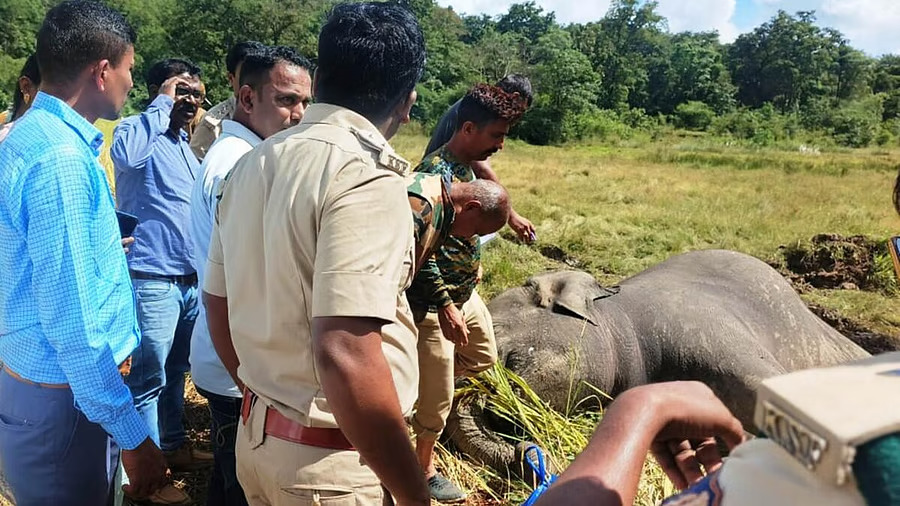
Such conflicts can take many forms — elephants damaging crops in villages, leopards entering residential areas, wild boars ravaging fields, or snakes appearing in human habitations. These incidents not only result in injuries and loss of life but also lead to economic losses for farmers and rising anxiety among affected communities.
The Vision Behind the Integrated Command Centre
Authorities in Karnataka have long recognised that reactive responses — such as sending forest officials only after a conflict has escalated — were not sufficient to effectively protect both people and animals. What was needed was a system that monitors potential hotspots, predicts movement based on data, and coordinates rapid, well-informed intervention.
The Integrated Command Centre was designed with this exact vision in mind: a centralised hub that processes real-time information, integrates surveillance data, and mobilises response teams swiftly and strategically. Through advanced technological resources and trained personnel, the centre aims to reduce response times and prevent conflicts before they escalate.
How the Command Centre Works
The Integrated Command Centre combines multiple tools and data streams to support decision-making and action coordination:
1. Real-Time Monitoring:
Using camera traps, GPS tracking of wildlife, satellite data and information from field staff, the centre continuously monitors wildlife movements across critical zones, especially in known conflict hotspots.
2. Rapid Response Teams:
On receiving alerts of potential conflict situations, dedicated response teams are deployed promptly. These teams are specially trained to handle sensitive situations involving large mammals, reptiles, and other wildlife, ensuring minimal harm to both humans and animals.
3. Community Alerts and Alerts System:
The centre facilitates communication with local communities through alerts and advisories. Residents in vulnerable zones are informed about animal movement trends so they can take precautionary measures and avoid risky areas during high-movement periods.
4. Coordination Across Departments:
The integrated model connects forest officials, wildlife experts, local administrators, law enforcement and rescue personnel. Such coordination ensures that conflicts are managed with a unified strategy rather than fragmented responses.
5. Geo-Mapping of Hotspots:
A key feature of the centre is its digital mapping of man-animal conflict zones. This data-driven approach enables authorities to prioritise deployments, allocate resources efficiently and plan long-term mitigation strategies such as eco-friendly barriers or designated corridors.
Support from Wildlife Experts and Conservationists
The concept of an integrated command hub has garnered praise from wildlife scientists, conservationists, and environmental organisations. Experts highlight that human-wildlife conflict is not just a local issue but a complex challenge requiring both scientific insight and community engagement.
By integrating technology with traditional ecosystem knowledge, the command centre is seen as a model that could be replicated in other states facing similar challenges.
Conservation advocates also underscored the importance of balancing human interests with wildlife protection, noting that animals do not confine themselves to protected boundaries. They welcomed the approach of proactive monitoring and early intervention, which aligns with modern conservation practices.
Voices from Affected Communities
For villagers and farmers living near forest fringes, the promise of faster support and better information offers tangible reassurance. Many recall distressing incidents where large animals, especially elephants and leopards, entered human settlements with devastating consequences.
Residents have expressed optimism that the new system will not only improve safety but also foster a sense of confidence in authorities and strengthen community resilience against future encounters.
Local leaders noted that earlier responses could be delayed or uncoordinated, causing frustration and fear. The centralised command model, they say, marks a new era of responsiveness that respects both human dignity and animal life.
Government Perspectives: A Commitment to Inclusive Safety
Officials from the Karnataka Forest Department emphasised that the Integrated Command Centre represents a commitment to inclusive safety — one that protects rural communities without compromising on wildlife conservation principles.
Government statements highlighted that the initiative is a blend of modern technology, field expertise and community outreach, aiming for coexistence rather than conflict escalation. Authorities also assured ongoing training for field officers, improved infrastructure for rescue activities, and constant refinement of the system based on emerging data.
Economic and Social Impacts
Man-animal conflict in Karnataka has had wide-ranging implications beyond immediate safety concerns. Crop losses, property damage, and livelihood disruptions have placed economic strain on rural households. In addition, emotional trauma from near encounters with wild animals has affected families and children in affected regions.
By reducing conflict instances and increasing safety, the command centre is expected to have positive ripple effects, including:
Reduced Agricultural Losses: Early warnings and targeted interventions could prevent wildlife from entering fields during peak crop seasons.
Improved Tourism Confidence: Karnataka’s rich wildlife tourism attractions rely on both visitor safety and thriving animal populations. A safer environment enhances tourist confidence and strengthens the local tourism economy.
Community Empowerment: With access to real-time alerts and clear guidance, residents feel more empowered to participate in coexistence strategies.
Collaboration with Technology Partners and NGOs
To operationalise the command centre effectively, the state has collaborated with technology partners and non-governmental organisations specialising in wildlife management tools. These partnerships have helped in integrating digital tracking systems, AI-based analytics, and rapid communication channels into ground operations.
The integration of scientific tools with field wisdom is seen as a breakthrough — one that gives forest officials predictive capability rather than mere reactive response.
Looking Ahead: A Model for Humane Coexistence
The launch of Karnataka’s Integrated Command Centre marks a watershed moment in wildlife management. It reflects a modern, humane, and strategic approach to a persistent challenge that many Indian states face, especially those with intertwined human and wildlife habitats.
While no system can eliminate every conflict, this integrated model significantly raises the bar for how early warnings, rapid response, coordinated governance, and community involvement can work in harmony.
Experts are hopeful that as the system becomes more refined, data continues to accumulate, and communities engage proactively, instances of fatal encounters will decline, economic losses will reduce, and trust between wildlife managers and civilians will grow stronger.
Conclusion: A Forward-Looking Initiative with National Significance
In a landscape where human settlements increasingly overlap traditional wildlife territories, progressive strategies like Karnataka’s Integrated Command Centre are vital. They represent not just administrative vision but also a compassionate, sustainable blueprint for addressing one of the most enduring and sensitive challenges in conservation.
As the centre becomes fully operational and its benefits permeate across the state, it may well become a model for other regions seeking to harmonise human development with the protection of India’s rich natural heritage.
FACTS Transcripts proudly serves students and professionals across a wide range of regions to support their academic and career goals. Our services are available in:
India
United States
Canada
United Kingdom
New Zealand
Australia
Russia
Middle East
North America
Africa
Our Services – FACTS Transcripts
We at FACTS Transcripts assist in various services, including:
Mark Sheet Transcripts
E-Transcripts
Duplicate Mark Sheets & Degree Certificates
Medium of Instructions Certificates
Attestations
HRD Attestation / Apostille Services
ECA (Educational Credentials Assessment)
Trusted by leading global verification organizations, including WES, IQAS, PEBC, NDEB, NASBA, CAPR, NZQA, ICAS, NCESS, ICES, ECE, eduPASS, ACEI, GCEUS, Comparative Education Services, NNAS, NCA, SAQA, QMAS, FORAC, Australian Pharmacy Council, and more.
FACTS Transcripts – The preferred choice for university document verification worldwide. We ensure a hassle-free process for obtaining your transcripts.