

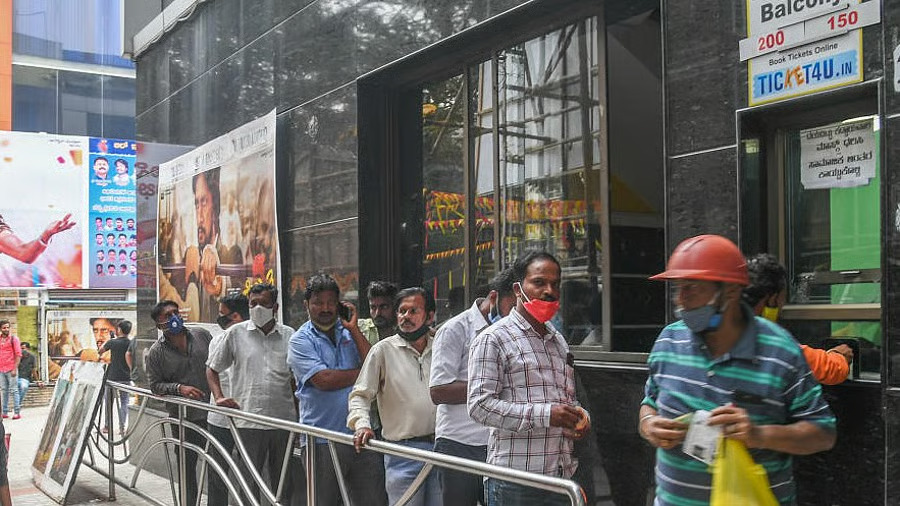
A regulatory showdown is underway in Karnataka as multiplexes, film producers, and other stakeholders challenge the state government’s freshly introduced rule capping movie ticket prices at ₹200. The High Court has reserved its decision on interim relief sought by the petitioners, putting a temporary stay on whether the cap should be enforced pending further hearings.
What the New Rule Says
Under the Karnataka Cinemas (Regulation) (Amendment) Rules, 2025, which came into effect on 12 September 2025, movie tickets in theatres and multiplexes are capped at ₹200.
The cap is before certain charges or taxes are added.
There may be some exceptions, such as for “premium facilities” or multi-screen cinemas of small seating capacity; but definitions and clarity about these exemptions are being disputed.
Who’s Challenging It & What Their Arguments Are
The petitioners include Multiplex Association of India, several film production houses (such as Hombale Films, Keystone Entertainment, VK Films) and theatre owners.
Their main legal objections are:
That the State government does not have power under the existing Karnataka Cinemas (Regulation) Act, 1964 to fix or cap ticket prices. They say the Act deals with issues like licensing, the construction of cinema halls, regulation of venues, etc., but not price control of tickets.
The amendment (especially the introduction of a proviso to Rule 55) is arbitrary and violates rights under the Constitution—specifically, the right to conduct business under Article 19(1)(g). They argue there was no empirical data, study, or justification made public to support why ₹200 was chosen or how the cap would impact costs, margins, or business sustainability.
That implementing such a cap without considering the differences in cost structure between large cinemas in premium locations, multiplexes with high overhead costs, vs small single-screen theatres is unfair.
They also point out that a similar cap / order was sought in 2017, but that was later withdrawn after objections. They use this to argue that the government has precedent for retracting such measures when faced with resistance.
State’s Position & Public Interest Argument
The government has defended the cap, saying it is in the public interest, aimed at making cinema more affordable.
It refers to constitutional powers and regulatory acts that allow for regulation of entertainment, licensing of cinemas, and public performances. The government argues that regulating ticket prices falls under legislative/regulatory jurisdiction.
What the Court Is Deciding
On 16 September 2025, the Karnataka High Court (Justice Ravi V. Hosmani) heard the petitions and arguments and has reserved its order on the petitions for interim relief—i.e. whether the ₹200 cap can be stayed temporarily until the full matters are decided.
The interim relief is critical because if the cap is enforced before resolution, many cinema exhibitors may face financial stress.
Potential Impacts & Wider Implications
Financial Strain for Exhibitors: Multiplexes and theatre owners argue that many costs—rent, operations, staff, licensing, ticketing systems, auditorium maintenance, etc.—are high, especially in metro or premium areas. A blanket cap could squeeze margins severely.
Consumer Relief: From the audience’s point of view, this could mean more affordable access to cinema for many people, especially those who often find movie tickets expensive. Tickets are one component; though add-ons like premium seats, special screenings, or snacks are not necessarily under this cap.
Precedent for Regulation: If this cap survives legal challenge, it may encourage similar interventions in other entertainment sectors or states. On the other hand, if struck down or substantially modified, it may dampen regulatory zeal in such areas.
Tax Revenue & Local Economy: Petitioners have warned about loss in revenue from ticket sales tax (GST, entertainment tax, etc.), declines in theatre rentals/rents, property taxes, which could impact local businesses around cinema halls.
What’s Next to Look Out For
The date when the interim order will be pronounced (i.e. whether the ₹200 cap will be stayed or not until final hearings). Some reports suggest the decision on interim relief may come by 23 September 2025.
How the court interprets the legislation—whether the Karnataka Cinemas Act gives explicit powers to regulate ticket pricing or whether that power must come from new legislation rather than rule-making/amendment.
Whether exceptions / carve-outs are clarified more sharply (premium screens, special formats like IMAX/4DX, premium seating) if cap is maintained.
Reactions from film producers, distributor networks, and consumers once the decision is out.
Conclusion
The ₹200 cap on movie tickets in Karnataka has sparked a major legal and industry debate. While the intention of making cinema accessible is broadly welcomed, the implementation and legal basis of the cap are being questioned by those whose businesses may be affected. As the High Court’s decision looms, what happens next could define the balance between consumer protection and business sustainability in the entertainment sector.
Our Services – FACTS Transcripts
We at FACTS Transcripts assist in various services, including:
Mark Sheet Transcripts
E-Transcripts
Duplicate Mark Sheets & Degree Certificates
Medium of Instructions Certificates
Attestations
HRD Attestation / Apostille Services
ECA (Educational Credentials Assessment)
Trusted by leading global verification organizations, including WES, IQAS, PEBC, NDEB, NASBA, CAPR, NZQA, ICAS, NCESS, ICES, ECE, eduPASS, ACEI, GCEUS, Comparative Education Services, NNAS, NCA, SAQA, QMAS, FORAC, Australian Pharmacy Council, and more.
FACTS Transcripts – The preferred choice for university document verification worldwide. We ensure a hassle-free process for obtaining your transcripts.