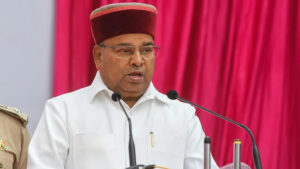


In a significant political development in Karnataka, the state chapter of the Indian National Congress has announced plans to convene a crucial panel meeting focused on student elections. Scheduled for January 13, this high-level gathering reflects the party’s renewed emphasis on youth engagement and strategic positioning within educational institutions, particularly as student politics gains momentum across college campuses and universities in the state.
The meeting is expected to address a range of issues relating to the organisation, participation, and leadership of student bodies, signalling the Congress party’s intent to strengthen its outreach among young voters and future leaders. With student communities playing an increasingly visible role in shaping political narratives, the significance of this meeting is being closely watched by political analysts, campus leaders, and party workers alike.
Context: Why Student Politics Matters
Student elections in universities and colleges often serve as a springboard for future political careers, acting as training grounds for leadership, public engagement, and grassroots organisational work. In a diverse and politically vibrant state like Karnataka, campus polls have historically influenced broader political trends.
For the Congress party, reinvigorating its presence in student politics is seen as a strategic priority. With new voices emerging on issues ranging from education reform to employment, campus policies, social justice and digital literacy, student leaders increasingly shape public discourse. Recognising this, the party aims to align its organisational strengths with the aspirations of young voters.
The Karnataka Congress Panel Meeting: Key Objectives
The panel meeting scheduled for mid-January is expected to serve multiple purposes:
1. Reviewing Past Performance:
One of the main agenda points will be to assess the party’s past engagement with student bodies across state universities and colleges. Party officials are keen to understand where they have succeeded, where challenges persist, and how to improve coordination with student activists.
2. Strategy Formulation for Upcoming Polls:
With elections for student unions and representative bodies approaching, Congress leaders aim to discuss and finalise strategies that will enhance candidate selection, campaigning, and mobilisation at the grassroots level. The meeting may include sessions on training student volunteers, outreach programmes, and messaging tailored to youth concerns.
3. Building Youth Leadership Pipelines:
Another key objective will be to strengthen pathways for promising student leaders to take on larger roles within the party structure. By identifying youth talent early and providing mentorship, the Congress hopes to cultivate a cadre of leaders equipped to contribute to public life beyond campus boundaries.
4. Course-Correcting Where Necessary:
No political initiative is without its challenges, and the panel meeting is expected to address organisational gaps or missteps from past initiatives. Leaders will likely discuss issues related to coordination between student wings and primary party units, as well as strategies to ensure that student candidates receive ongoing support.
Youth Issues at the Forefront
While the panel meeting’s primary focus is on elections, the broader conversation is expected to centre around issues that deeply affect student communities today. These include:
Academic and Career Concerns:
Students are increasingly vocal about the quality of education, employability, internships, scholarship opportunities, and career guidance. Congress leaders may review how effectively they have addressed these areas and what policy proposals could resonate with students.
Campus Infrastructure and Safety:
Problems related to campus facilities, hostels, transportation, and student welfare can shape perceptions of political parties. Deliberations in the meeting are likely to explore ways to advocate for improvements and offer pragmatic solutions.
Social Inclusion and Representation:
Calls for inclusive policy-making, affirmative representation, and protection of student rights have become central themes in many college campuses. The Congress party’s engagement with these concerns will be crucial to its efforts at coherence with student aspirations.
Digital Literacy and Innovation:
With digital transformation reshaping education and employment landscapes, student demand for better digital resources, online academic support and tech-driven innovation spaces will likely feature in discussions.
Political Significance: Strategic Realignment
The upcoming panel meeting is viewed by many political observers as more than just an internal organisational event. It signals a strategic realignment by the Congress party — one that acknowledges the rising importance of youth engagement in shaping future electoral outcomes.
In a state known for its vibrant political theatre and active student communities, winning campus influence often translates into larger public support. The Congress leadership is therefore intent on maximising its organisational strengths to build momentum among youthful voters, many of whom are first-time voters or politically aspirational individuals.
Voices from Within the Party
Senior Congress leaders have emphasised the importance of the panel meeting in reinforcing the party’s commitment to youth leadership. In statements to party workers, they have highlighted the need for robust preparation, unity, and clarity of purpose ahead of student election campaigns.
Local party organisers and youth wing representatives have expressed optimism that the meeting will chart a clear roadmap for enhanced student engagement. There is also anticipation about the role that student leaders already active within the party will play in mentoring fresh candidates.
Reactions from Student Communities
Student organisations across various campuses have responded with interest to the news of the Congress panel meeting. Some student leaders have welcomed the focus on youth issues and expressed hope that political parties will engage constructively with student concerns, going beyond electoral rhetoric.
Others, however, have noted that bridging the gap between party politics and student welfare requires sustained commitment and meaningful dialogue. For many student activists, the emphasis is on action — improved campus resources, access to internships and mentorships, and transparent discussions about fees, academic reforms, and campus governance.
Wider Political Landscape: Competition and Youth Mobilisation
Karnataka’s political landscape remains competitive, with multiple parties investing in youth outreach and campus organisation. The Congress party’s focus on student elections aligns with similar drives from other political groups seeking influence within universities and colleges.
This inter-party contest for student support reflects the broader importance of young voters in shaping electoral mandates. Youth voters, known for their engagement on social media and street-level campaigns, often champion issues that resonate beyond traditional political narratives. Recognising this shift, political parties increasingly view student elections as both foundational and influential.
Future Prospects: A New Generation of Leaders
The outcome of the Congress panel meeting on January 13 will likely determine how the party mobilises for the coming student polls and shapes its engagement with youth across Karnataka. Beyond immediate election outcomes, this moment holds significance for nurturing a new generation of leaders who could play larger roles within state and national politics in the years ahead.
For many youths, student elections are more than contests — they are platforms for expressing diverse opinions, shaping campus culture, and asserting community voices. By positioning itself as a responsive partner in this process, the Congress party aims to connect with young minds while building organisational strength from the ground up.
Conclusion: A Strategic Shift Toward Youth Engagement
At a time when the aspirations of young Indians are increasingly at the forefront of political discourse, the Karnataka Congress’s decision to prioritise student elections through a dedicated panel meeting underscores a thoughtful and proactive approach to youth politics.
FACTS Transcripts proudly serves students and professionals across a wide range of regions to support their academic and career goals. Our services are available in:
India
United States
Canada
United Kingdom
New Zealand
Australia
Russia
Middle East
North America
Africa
Our Services – FACTS Transcripts
We at FACTS Transcripts assist in various services, including:
Mark Sheet Transcripts
E-Transcripts
Duplicate Mark Sheets & Degree Certificates
Medium of Instructions Certificates
Attestations
HRD Attestation / Apostille Services
ECA (Educational Credentials Assessment)
Trusted by leading global verification organizations, including WES, IQAS, PEBC, NDEB, NASBA, CAPR, NZQA, ICAS, NCESS, ICES, ECE, eduPASS, ACEI, GCEUS, Comparative Education Services, NNAS, NCA, SAQA, QMAS, FORAC, Australian Pharmacy Council, and more.
FACTS Transcripts – The preferred choice for university document verification worldwide. We ensure a hassle-free process for obtaining your transcripts.