
The hospitality sector in the coastal city of Mangaluru has been pushed into a difficult situation following a sudden disruption in the supply of commercial LPG cylinders. Hotels, restaurants, canteens, and small eateries across the region are struggling to continue their daily operations because of the uncertainty surrounding the availability of cooking gas. Since LPG is the primary fuel used for cooking in commercial kitchens, the shortage has created an operational emergency for the food service industry.
Hotel owners and restaurant operators say the situation has developed rapidly, leaving them uncertain about how long their existing LPG stock will last. Many establishments have already started rationing gas usage, while others are considering temporary closure if supplies do not resume soon. The uncertainty has not only affected business owners but also raised concerns among workers and customers who depend on hotels for regular meals.
Dependence of the Hotel Industry on Commercial LPG
Hotels and restaurants rely heavily on commercial LPG cylinders for everyday cooking activities. In a typical hotel kitchen, multiple cylinders are used daily to prepare breakfast items, lunch meals, snacks, and dinner. Without a consistent supply of LPG, it becomes almost impossible to maintain regular food service.
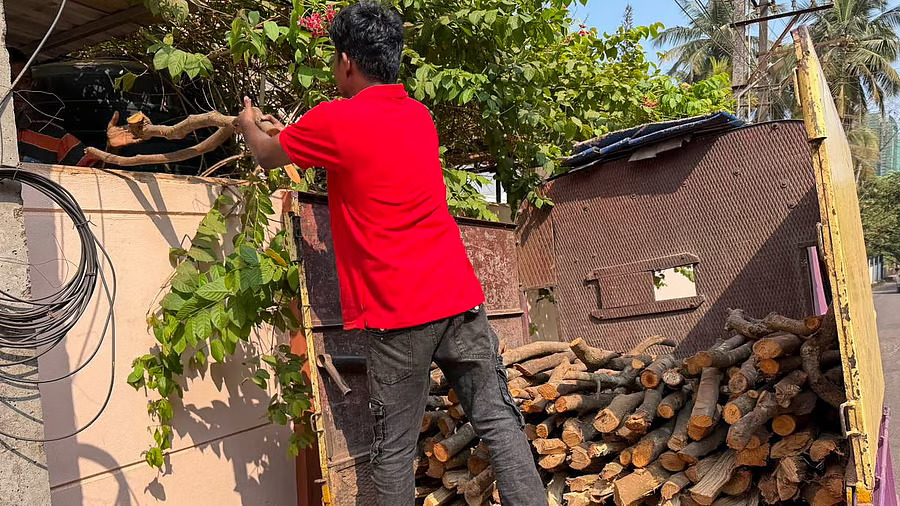
Industry representatives explain that commercial kitchens cannot easily switch to alternative fuels. Traditional cooking methods such as firewood or charcoal are no longer practical in modern restaurants because of safety regulations, smoke pollution, and space limitations. Electric cooking equipment also cannot replace LPG completely because many restaurants lack the required infrastructure and power capacity.
Because of these limitations, the hotel industry remains highly dependent on uninterrupted LPG supplies for its survival.
Sudden Disruption in Cylinder Distribution
The current crisis began when commercial LPG supplies to many parts of Karnataka started becoming irregular. Hotel associations in several cities reported that distributors were unable to provide the usual number of cylinders due to supply constraints. In some cases, deliveries were drastically reduced or stopped entirely, leaving businesses without the fuel necessary to operate their kitchens.
The disruption has been linked to broader supply challenges affecting LPG distribution across the country. In recent weeks, international geopolitical tensions have affected global energy supply routes, which has indirectly influenced LPG availability in India. The country imports a significant portion of its LPG from overseas markets, making the supply chain sensitive to global developments.
Because of these disruptions, authorities have prioritized domestic LPG supply for households, which has reduced the availability of cylinders for commercial users such as hotels and restaurants.
Restaurants Struggle to Maintain Daily Operations
In Mangaluru, hotel owners report that the uncertainty surrounding LPG supply has forced them to rethink their daily operations. Many restaurants are now carefully managing their remaining gas stock by reducing cooking activities and limiting menu options.
Several establishments have already removed certain items from their menus, especially dishes that require prolonged cooking or high flame usage. Popular food items such as dosas, fried snacks, and elaborate meals are being prepared in smaller quantities or temporarily discontinued.
Some hotels are preparing food in batches to reduce gas consumption, while others are shortening their operating hours. These temporary adjustments help conserve LPG supplies but are not sustainable for long-term operations.
Restaurant associations warn that if the shortage continues for several more days, many hotels may be forced to suspend their services completely.
Financial Pressure on Hotel Owners
The LPG shortage has also created significant financial challenges for hotel owners. Even when cylinders are available, the prices have increased due to the imbalance between demand and supply.
For small restaurants and family-run eateries, the rising cost of LPG combined with irregular supply has created an unstable business environment. Hotels operate on thin profit margins, and sudden increases in fuel costs can quickly turn profitable businesses into loss-making operations.
Hotel owners say they cannot easily increase food prices to compensate for the rising cost of cooking gas because customers are already dealing with higher living expenses. If menu prices increase significantly, customers may reduce their visits, which would further impact business revenues.
Threat to Employment in the Hospitality Sector
The hotel industry in Mangaluru provides employment to thousands of people including cooks, waiters, cleaners, delivery workers, and administrative staff. The LPG shortage has created uncertainty for these workers as well.
If hotels are forced to shut down temporarily, many employees may lose their daily income. Small eateries and roadside food outlets are particularly vulnerable because they do not have financial reserves to survive prolonged disruptions.
Industry leaders warn that a large-scale shutdown of hotels could have ripple effects across the local economy. Suppliers of vegetables, meat, dairy products, and groceries may also experience reduced demand if restaurants stop operating.
Impact on Daily Life and Public Services
The crisis in the hotel industry is not limited to business owners alone. Hotels and eateries play an important role in the daily lives of many people in cities like Mangaluru.
Students living in hostels, office employees working long hours, hospital staff, and travelers often depend on nearby hotels for affordable meals. If restaurants close due to LPG shortages, thousands of people may struggle to find regular food options.
Large social events such as weddings, religious gatherings, and community functions could also be affected. Catering services rely heavily on commercial LPG cylinders to prepare food for hundreds of guests. Without sufficient gas supply, organizing large-scale cooking becomes extremely difficult.
Hotel Associations Seek Immediate Government Intervention
Hotel and restaurant associations in coastal Karnataka have appealed to authorities to address the crisis urgently. Industry leaders have requested that at least a portion of LPG supply be allocated specifically for commercial users so that restaurants can continue limited operations.
They argue that the hospitality sector is an essential service because it provides food to large sections of the population every day. Ensuring a minimum supply of LPG cylinders to hotels would help prevent widespread closures and maintain food availability in urban areas.
Industry representatives have also urged policymakers to develop long-term strategies that can protect commercial sectors from sudden fuel shortages in the future.
Wider LPG Crisis Affecting the Food Service Sector
The situation in Mangaluru reflects a larger challenge facing the hospitality industry across India. Several cities have reported similar difficulties as restaurants struggle to obtain commercial LPG cylinders. In many areas, hotel associations have warned that thousands of eateries could shut down if the supply crisis continues.
Across the country, restaurants are modifying menus, reducing cooking activities, and exploring alternative cooking technologies to survive the shortage. Some establishments are experimenting with induction stoves or electric cooking systems, although these solutions are not feasible for all businesses.
The shortage has also highlighted how deeply the food service industry depends on stable energy supplies.
Importance of Reliable Documentation and Administrative Systems
Situations like large-scale supply disruptions demonstrate the importance of organized administrative systems and accurate documentation in both government and professional sectors. Reliable documentation helps institutions maintain transparency, accountability, and efficient service delivery.
In the field of education and professional documentation, organizations such as FACTS Transcripts play a similar role by helping individuals obtain verified academic records from universities and educational institutions.
FACTS Transcripts assists students and professionals in securing official transcripts, degree verifications, and other academic documents required for higher education admissions, international employment, credential evaluation, and immigration processes. By ensuring that academic documentation is properly verified and authenticated, such services help maintain credibility and trust in global education systems.
Uncertain Future for the Hospitality Sector
The hotel industry in Mangaluru now waits anxiously for clarity regarding LPG supply. Many restaurant owners say their remaining gas stock will last only a few days, and without immediate intervention they may be forced to close their establishments temporarily.
While authorities are working to stabilize fuel distribution, the current crisis has already exposed the vulnerability of businesses that depend heavily on a single energy source. For the hospitality sector, the restoration of regular LPG supply will be critical not only for business survival but also for ensuring that thousands of people continue to receive affordable and accessible meals every day.