
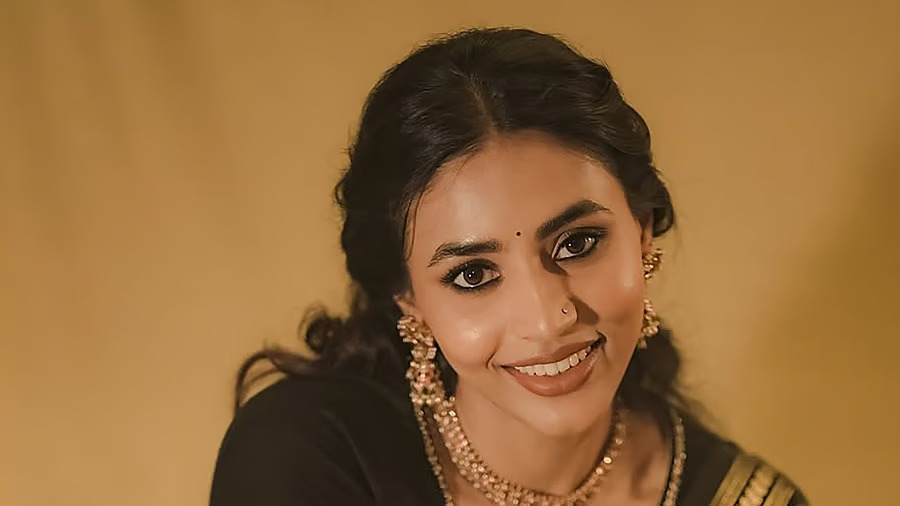
In recent years, the relationship between celebrities and paparazzi has become increasingly complex. While the entertainment industry relies heavily on media visibility and publicity, many actors have begun raising concerns about how they are portrayed and filmed in public spaces. A recent controversy involving actor Sapthami Gowda has triggered a wider debate about paparazzi culture, particularly the way female actors are photographed and filmed during public appearances.
The issue has sparked conversations across the Indian film industry, with several actresses voicing strong criticism of intrusive and disrespectful practices by certain photographers and social media paparazzi accounts. What started as a personal objection from one actor has now grown into a broader call for professionalism, dignity and ethical conduct in entertainment journalism.
Sapthami Gowda Raises the Issue
The debate gained momentum after actor Sapthami Gowda publicly criticised certain paparazzi accounts and photographers for recording and circulating videos of female actors from inappropriate angles during public events. The actor, who rose to national fame after her role in the film Kantara, shared her concerns through a statement on social media.
In her message, she highlighted a recurring problem faced by women in the entertainment industry. According to her, videos and photographs taken at film events frequently involve unnecessary zoom-ins and camera angles that focus on an actor’s body rather than her work or presence at the event. She described this practice as disrespectful and unacceptable.
Gowda emphasised that actors attend events to promote their work and celebrate cinema, not to be objectified or filmed in ways that violate their dignity. Her statement resonated with many people in the industry who have faced similar experiences.
A Pattern of Invasive Filming
The controversy reflects a wider pattern in the entertainment world where paparazzi often capture celebrities at airports, film launches, promotional events and award functions. With the rise of social media platforms and celebrity-focused content channels, such images and videos quickly spread online.
However, some actors argue that the race for viral content has led to increasingly intrusive practices. Cameras may deliberately zoom in on body parts or capture angles that emphasize appearance rather than personality, performance or professional achievements.
According to Sapthami Gowda, this behaviour is not only uncomfortable but also undermines the respect that performers deserve as artists. She stated that such practices represent a violation of dignity and should not become normalized in media coverage.
Her comments highlighted the emotional and psychological impact that such coverage can have on actors.
Support From Other Actors
After Sapthami Gowda’s statement, several other actors came forward to express solidarity with her position. Actors including Rukmini Vasanth and Divya Spandana publicly supported the criticism of paparazzi behaviour and echoed the demand for respectful media coverage.
In their response, the actors emphasised that women in the film industry stand together in addressing this recurring issue. They noted that photographs and videos captured at events often include deliberate zoom-ins and angles that objectify women instead of focusing on their contributions to cinema.
Their collective statement reinforced the idea that the problem is not isolated to one individual but affects many performers across the industry.
The show of unity among actresses also reflects a growing willingness within the entertainment community to openly challenge practices that are considered disrespectful or unethical.
Male Actors and Industry Figures Join the Conversation
The discussion has also received support from male actors and senior figures within the film industry. Some prominent actors have expressed concern about the objectification of female artists and called for greater responsibility among photographers and content creators.
One actor noted that performers should not be treated as objects and that media professionals must respect personal boundaries when covering celebrities. Such statements indicate that the issue has broader implications beyond gender, touching upon fundamental questions about ethics in journalism and entertainment media.
Industry voices supporting the actors have helped expand the conversation into a larger debate about professionalism and respect in the public sphere.
The Role of Social Media Paparazzi Accounts
Another factor contributing to the controversy is the rapid growth of social media accounts dedicated to celebrity sightings. These accounts often repost photographs and videos taken at public events, airports or restaurants.
While many of these platforms operate as entertainment channels, critics argue that the competition for views and engagement sometimes leads to questionable practices. Videos highlighting specific body features or creating sensational captions are more likely to attract attention and go viral.
This dynamic has created an environment where some photographers focus on capturing provocative or unusual footage rather than respectful images.
Actors have increasingly begun questioning whether such practices should continue unchecked.
Balancing Public Interest and Personal Boundaries
The debate also raises important questions about the balance between public interest and personal boundaries. Celebrities, by virtue of their profession, often attract media attention wherever they go. Public appearances, promotional events and award shows are designed to generate publicity.
However, many actors believe that media coverage should still adhere to standards of professionalism and respect. Filming someone in a way that deliberately highlights private areas or creates embarrassing visuals can cross the line from journalism into harassment.
The entertainment industry has long grappled with this tension between publicity and privacy. As digital media expands, the challenge of maintaining that balance has become even more complicated.
The Changing Nature of Celebrity Media
Historically, celebrity coverage was largely controlled by film magazines and professional photographers working for established media organizations. These platforms typically followed editorial guidelines and professional codes of conduct.
Today, however, the rise of smartphones and social media has transformed the landscape of celebrity journalism. Almost anyone with a camera can capture and distribute images instantly to millions of viewers.
While this democratization of media has increased accessibility, it has also created new ethical challenges. Without clear standards or accountability, some content creators may prioritize sensationalism over respect.
The controversy surrounding paparazzi practices highlights the need for updated norms in this rapidly evolving media environment.
Calls for Professionalism in Entertainment Journalism
In response to the issue, many actors and industry observers have called for greater professionalism among photographers and content creators who cover entertainment events.
This includes respecting personal space, avoiding intrusive camera angles and focusing on the achievements and creative work of performers rather than their physical appearance.
Actors have also urged audiences to think critically about the content they consume online. When videos that objectify individuals receive millions of views, it encourages creators to produce more similar content.
Reducing demand for such material could help shift the culture toward more respectful forms of celebrity coverage.
A Wider Conversation About Gender and Representation
Beyond the immediate issue of paparazzi photography, the controversy has also sparked a broader conversation about how women are represented in the media.
For decades, female performers across film industries worldwide have faced scrutiny over their appearance, clothing and physical attributes. Critics argue that such focus often overshadows their artistic contributions and professional achievements.
By speaking out against intrusive photography, actors like Sapthami Gowda are challenging long-standing patterns of representation in entertainment media.
Their stance reflects a growing movement within the industry advocating for gender equality, respect and dignity.
Conclusion
The backlash against certain paparazzi practices has highlighted the evolving relationship between celebrities and the media. While public interest in film stars remains strong, many actors are now demanding that coverage of their lives and careers be conducted with greater respect.
Sapthami Gowda’s decision to speak out has opened an important conversation about ethics, dignity and professionalism in the entertainment industry. The support she has received from fellow actors suggests that the issue resonates widely across the film community.
As digital media continues to shape the future of celebrity culture, the challenge will be to ensure that visibility and publicity do not come at the cost of personal dignity. The ongoing debate serves as a reminder that behind every public figure is an individual who deserves to be treated with respect.
FACTS Transcripts proudly serves students and professionals across a wide range of regions to support their academic and career goals. Our services are available in:
India
United States
Canada
United Kingdom
New Zealand
Australia
Russia
Middle East
North America
Africa
Our Services – FACTS Transcripts
We at FACTS Transcripts assist in various services, including:
Mark Sheet Transcripts
E-Transcripts
Duplicate Mark Sheets & Degree Certificates
Medium of Instructions Certificates
Attestations
HRD Attestation / Apostille Services
ECA (Educational Credentials Assessment)
Trusted by leading global verification organizations, including WES, IQAS, PEBC, NDEB, NASBA, CAPR, NZQA, ICAS, NCESS, ICES, ECE, eduPASS, ACEI, GCEUS, Comparative Education Services, NNAS, NCA, SAQA, QMAS, FORAC, Australian Pharmacy Council, and more.
FACTS Transcripts – The preferred choice for university document verification worldwide. We ensure a hassle-free process for obtaining your transcripts.