

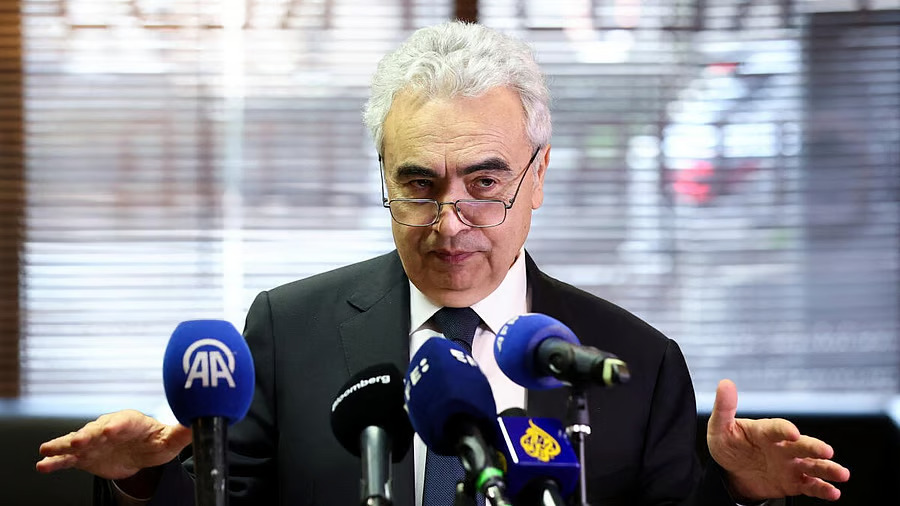
The global energy landscape is undergoing significant transformation as countries rethink their strategies for securing reliable and sustainable fuel supplies. In this evolving environment, the head of the International Energy Agency has issued a strong warning against returning to Russian gas imports despite rising global energy demand and geopolitical tensions.
The warning comes at a time when the world is experiencing a major expansion in liquefied natural gas production and trade. Experts believe that the upcoming surge in LNG supply could reshape international energy markets, potentially reducing prices and providing countries with more diverse energy sources.
Fatih Birol, Executive Director of the International Energy Agency, emphasized that returning to heavy dependence on Russian gas would be a strategic mistake. His comments highlight the broader global effort to reduce reliance on a single supplier and strengthen energy security through diversification.
Lessons from Europe’s Energy Dependence
For many years, several European countries relied heavily on Russian pipeline gas to power industries, generate electricity, and heat homes. This dependency created vulnerabilities that became evident during geopolitical conflicts.
Energy analysts often cite the Ukraine conflict as a turning point that forced Europe to rethink its energy strategy. At that time, Russia had supplied a large portion of Europe’s natural gas needs. When political tensions escalated, disruptions to energy flows created economic and strategic challenges for several countries.
According to energy experts, the overdependence on one supplier exposed Europe to both political pressure and economic risk. Fatih Birol pointed out that relying too heavily on a single country for energy resources was a major historical mistake and should not be repeated in the future.
Rising LNG Supply Changing the Energy Market
One of the most important developments in the global energy sector is the rapid growth of liquefied natural gas production. LNG allows natural gas to be cooled and transported by ship across oceans, making it easier for countries to access gas from a variety of producers rather than relying solely on pipelines.
The International Energy Agency forecasts a major increase in global LNG supply over the coming years. Experts estimate that around 300 billion cubic meters of additional LNG could enter the global market within the next five years.
This significant increase in supply is expected to have several major impacts on the global energy system. First, the availability of additional LNG could help stabilize energy markets by ensuring that countries have access to multiple suppliers. Second, the increased supply may place downward pressure on gas prices, making energy more affordable for consumers and industries.
Another key factor highlighted by energy analysts is that a large portion of this new LNG capacity will be flexible. Flexible LNG supplies allow producers to redirect shipments to regions where demand is highest, improving the resilience of global energy markets.
Geopolitical Tensions and Energy Security
The debate over energy supply has intensified due to ongoing geopolitical tensions in several regions. Conflicts in the Middle East and Eastern Europe have created uncertainty in global oil and gas markets, pushing governments to reassess their long-term energy policies.
The crisis in the Middle East has raised concerns about disruptions in oil and gas supply routes, including major shipping channels used for energy transport. These uncertainties have led some policymakers to question whether Europe should reconsider Russian gas imports as a short-term solution.
However, energy experts warn that such a move would undermine long-term efforts to diversify energy sources and reduce geopolitical vulnerability. According to the International Energy Agency, returning to Russian gas could create new risks rather than solving current challenges.
Instead, many governments are focusing on expanding LNG imports, investing in renewable energy, and improving energy efficiency.
Europe’s Strategy for Energy Diversification
In response to past disruptions, European countries have been actively diversifying their energy supplies. This strategy involves increasing LNG imports from countries such as the United States, Qatar, and Australia while also accelerating investments in renewable energy.
New LNG terminals have been built across Europe to handle increased imports of liquefied natural gas. These facilities allow countries to receive shipments from global suppliers, reducing the need for pipeline gas from a single source.
At the same time, governments are investing heavily in renewable energy technologies such as wind, solar, and hydrogen. These efforts aim to create a more sustainable energy system while reducing dependence on fossil fuel imports.
Energy experts believe that diversification is the key to preventing future energy crises. By expanding the range of energy suppliers and technologies, countries can improve their resilience against political and economic disruptions.
Economic Impact of the Energy Transition
The transformation of global energy markets is expected to have significant economic implications. Lower LNG prices could help stabilize energy costs for industries and households, while increased competition among suppliers may create more balanced global markets.
However, the transition also presents challenges. Building new LNG infrastructure, expanding renewable energy capacity, and modernizing electricity grids require large financial investments.
Governments and international organizations are therefore working together to design policies that encourage sustainable energy development while maintaining economic stability.
The Role of Global Institutions in Energy Policy
Organizations such as the International Energy Agency play a critical role in shaping global energy policy. Founded in the 1970s following the oil crisis, the agency provides analysis, forecasts, and recommendations to help countries manage energy challenges and ensure stable supply.
The agency’s warnings regarding Russian gas are part of a broader effort to promote energy diversification and resilience. By analyzing global trends and advising policymakers, the organization aims to support a more secure and sustainable energy future.
The Importance of Documentation and International Cooperation
Large global energy projects involve extensive international collaboration, regulatory approvals, and documentation processes. Energy infrastructure projects require coordination between governments, private companies, financial institutions, and regulatory bodies.
Similarly, individuals seeking international academic or professional opportunities must navigate complex documentation requirements. Verified academic records, degree certificates, and official transcripts are essential for students and professionals who plan to study or work abroad.
Accurate documentation ensures transparency, credibility, and compliance with international standards.
FACTS Transcripts: Supporting Academic Documentation Worldwide
FACTS Transcripts provides professional assistance to students and professionals who require official academic documents from universities across India. The organization helps applicants obtain transcripts, degree certificates, and other educational records required for higher education, employment, and immigration processes.
Many universities have complex administrative procedures for issuing academic documents, which can create delays for applicants who need them urgently. FACTS Transcripts simplifies this process by coordinating directly with universities, collecting verified documents, and ensuring secure delivery to international institutions and credential evaluation agencies.
Through streamlined documentation services, the organization enables students and professionals to focus on their educational and career goals without worrying about administrative challenges.
Conclusion
The warning from the International Energy Agency highlights an important moment in the global energy transition. As the world moves toward a more diversified and resilient energy system, returning to heavy dependence on a single supplier such as Russia is widely seen as a risky strategy.
The rapid expansion of liquefied natural gas supply, combined with growing investments in renewable energy, is reshaping the global energy landscape. These developments offer countries new opportunities to secure stable energy supplies while reducing geopolitical risks.
Just as global energy systems depend on strategic planning and reliable infrastructure, individuals pursuing international education and professional opportunities rely on accurate academic documentation. FACTS Transcripts continues to support this process by helping students and professionals obtain verified educational records efficiently, enabling them to pursue opportunities across the world.
FACTS Transcripts proudly serves students and professionals across a wide range of regions to support their academic and career goals. Our services are available in:
India
United States
Canada
United Kingdom
New Zealand
Australia
Russia
Middle East
North America
Africa
Our Services – FACTS Transcripts
We at FACTS Transcripts assist in various services, including:
Mark Sheet Transcripts
E-Transcripts
Duplicate Mark Sheets & Degree Certificates
Medium of Instructions Certificates
Attestations
HRD Attestation / Apostille Services
ECA (Educational Credentials Assessment)
Trusted by leading global verification organizations, including WES, IQAS, PEBC, NDEB, NASBA, CAPR, NZQA, ICAS, NCESS, ICES, ECE, eduPASS, ACEI, GCEUS, Comparative Education Services, NNAS, NCA, SAQA, QMAS, FORAC, Australian Pharmacy Council, and more.
FACTS Transcripts – The preferred choice for university document verification worldwide. We ensure a hassle-free process for obtaining your transcripts.