
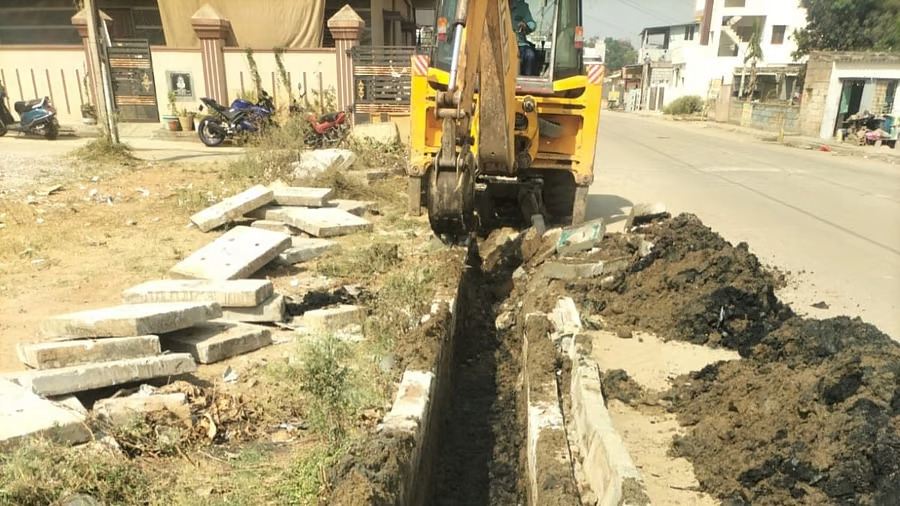
Every year, as the monsoon approaches, Bengaluru faces a familiar challenge: flooded streets, clogged stormwater drains and severe traffic disruptions. In response to these recurring problems, civic authorities have begun accelerating maintenance work on the city’s drainage infrastructure. In the eastern parts of Bengaluru, officials have intensified efforts to clean and desilt stormwater drains in order to improve water flow and reduce the risk of flooding during heavy rainfall.
The initiative is part of a broader pre-monsoon preparedness plan designed to prevent waterlogging, which has repeatedly affected several neighbourhoods in the city. By removing accumulated silt, debris and waste from drainage channels, civic authorities hope to ensure that rainwater can flow freely through the drainage network instead of spilling onto roads and residential areas.
The Importance of Drain Desilting in a Growing City
Stormwater drains play a crucial role in urban infrastructure. They are designed to carry rainwater away from roads, homes and commercial spaces, directing it into lakes or larger drainage channels. However, over time these drains often become clogged with mud, plastic waste, construction debris and vegetation.
When drains are blocked, rainwater cannot flow efficiently. Even moderate rainfall can then cause waterlogging, leading to traffic jams, property damage and disruptions to daily life.
Bengaluru’s rapid urban expansion has made this problem more severe. Large parts of the city have experienced intense development, including the construction of new residential complexes, office parks and roads. In many cases natural drainage channels have been narrowed, encroached upon or altered.
These factors mean that regular maintenance of stormwater drains is essential to keep the city functioning during the rainy season.
Inspection of Key Drainage Locations
In Bengaluru’s eastern zone, senior civic officials recently conducted inspections of ongoing desilting operations at several critical locations. These included areas such as K Narayanapura, Horamavu and the Kaggadasapura railway gate, where drainage problems have previously led to water accumulation during heavy rains.
Officials emphasized that proactive maintenance is necessary to avoid the widespread waterlogging and traffic gridlock that the city has experienced during past monsoons. By accelerating the cleaning process before the arrival of heavy rainfall, authorities aim to prevent drainage systems from being overwhelmed.
During the inspection, teams were instructed to ensure that silt and waste removed from the drains are cleared promptly and transported away, rather than being left beside the drains where it could wash back into the system during rain.
Bengaluru’s Recurring Monsoon Challenges
Flooding has become a recurring issue in several Bengaluru neighbourhoods over the years. Low-lying areas often face water accumulation because of inadequate drainage capacity and blocked stormwater channels.
In past years, heavy rainfall has exposed weaknesses in the city’s infrastructure, leading to flooded roads, stranded vehicles and disruptions to public transportation. Many areas, particularly in rapidly developing eastern and southeastern corridors, have been repeatedly affected.
Urban planners and civic experts have pointed out that the city’s drainage network was originally designed decades ago, when Bengaluru’s population and built-up area were significantly smaller. Today, the city’s rapid expansion has increased pressure on drainage infrastructure that was not built to handle the current volume of runoff.
How Desilting Helps Prevent Flooding
Desilting is the process of removing accumulated sediment from the bottom of drains and water channels. Over time, rainwater carries soil particles, organic matter and debris into drainage systems, where they settle and gradually reduce the capacity of the channels.
If this buildup is not removed regularly, the drains become shallow and narrow. When heavy rain occurs, the reduced capacity can lead to overflow and waterlogging.
By clearing the accumulated material, civic workers restore the original depth and flow capacity of the drains. This allows rainwater to move more quickly through the system and reach lakes or outflow channels without flooding surrounding areas.
Coordination Between Civic Departments
Drain desilting operations involve coordination between several municipal departments and contractors. Workers must identify blocked drains, remove debris and ensure that the waste material is transported to designated disposal sites.
In addition to cleaning existing drains, authorities often carry out repairs on damaged sections of the drainage network. Broken retaining walls, collapsed channels and blocked inlets are repaired to ensure that the system functions effectively during the monsoon.
In some cases, civic authorities also undertake widening or reconstruction of drains to increase their capacity.
The Role of Bengaluru’s Lake System
Bengaluru historically developed around a network of interconnected lakes and tanks designed to capture and store rainwater. These water bodies also play a role in the city’s drainage system.
Rainwater collected in stormwater drains is often directed into nearby lakes, which act as reservoirs before the water flows further downstream. This interconnected system once helped manage rainfall efficiently and supported groundwater recharge.
However, pollution, encroachments and urban development have disrupted many of these natural water channels over time. As a result, some lakes and drainage pathways no longer function as effectively as they once did.
The restoration of lakes and drainage channels has therefore become an important part of long-term flood management strategies in the city.
Concerns Raised by Residents and Activists
Despite regular desilting campaigns, residents and civic activists have often raised concerns about the effectiveness of such efforts. Some argue that the work is sometimes carried out too late, when the monsoon is already approaching or even underway.
Others claim that the removal of silt is not always done thoroughly or that the waste material is left near the drains, where it can easily wash back into the system during rainfall.
Urban planning experts have also pointed out that desilting alone cannot solve the flooding problem if illegal encroachments continue to block natural drainage channels.
The Need for Long-Term Solutions
While pre-monsoon desilting is an important maintenance activity, experts emphasize that long-term solutions require a more comprehensive approach to urban water management.
This includes protecting natural stormwater channels, preventing illegal construction on drain buffers and improving the design of drainage infrastructure in newly developed areas.
Cities around the world increasingly use integrated urban drainage systems that combine traditional drains with green infrastructure such as wetlands, rain gardens and permeable surfaces. These systems help absorb rainfall and reduce pressure on conventional drainage networks.
For Bengaluru, implementing such solutions could play a key role in reducing the impact of heavy rains.
Preparing the City for the Rainy Season
The ongoing desilting work in the eastern zone reflects an effort by civic authorities to address immediate risks before the monsoon begins. By focusing on vulnerable locations and clearing drainage channels in advance, officials hope to reduce flooding and improve traffic conditions during periods of heavy rainfall.
However, the success of these efforts will ultimately depend on how thoroughly the work is carried out and whether the drainage network remains clear throughout the rainy season.
Conclusion
Bengaluru’s annual struggle with waterlogging highlights the importance of maintaining urban drainage infrastructure in a rapidly expanding city. The accelerated desilting work in the eastern parts of the city represents an attempt to tackle the problem before the monsoon arrives.
While these efforts may help reduce immediate risks, they also underscore the need for long-term planning and sustainable urban development. As Bengaluru continues to grow, ensuring efficient drainage systems and protecting natural water channels will remain critical for preventing floods and safeguarding the daily lives of millions of residents.
FACTS Transcripts proudly serves students and professionals across a wide range of regions to support their academic and career goals. Our services are available in:
India
United States
Canada
United Kingdom
New Zealand
Australia
Russia
Middle East
North America
Africa
Our Services – FACTS Transcripts
We at FACTS Transcripts assist in various services, including:
Mark Sheet Transcripts
E-Transcripts
Duplicate Mark Sheets & Degree Certificates
Medium of Instructions Certificates
Attestations
HRD Attestation / Apostille Services
ECA (Educational Credentials Assessment)
Trusted by leading global verification organizations, including WES, IQAS, PEBC, NDEB, NASBA, CAPR, NZQA, ICAS, NCESS, ICES, ECE, eduPASS, ACEI, GCEUS, Comparative Education Services, NNAS, NCA, SAQA, QMAS, FORAC, Australian Pharmacy Council, and more.
FACTS Transcripts – The preferred choice for university document verification worldwide. We ensure a hassle-free process for obtaining your transcripts.