

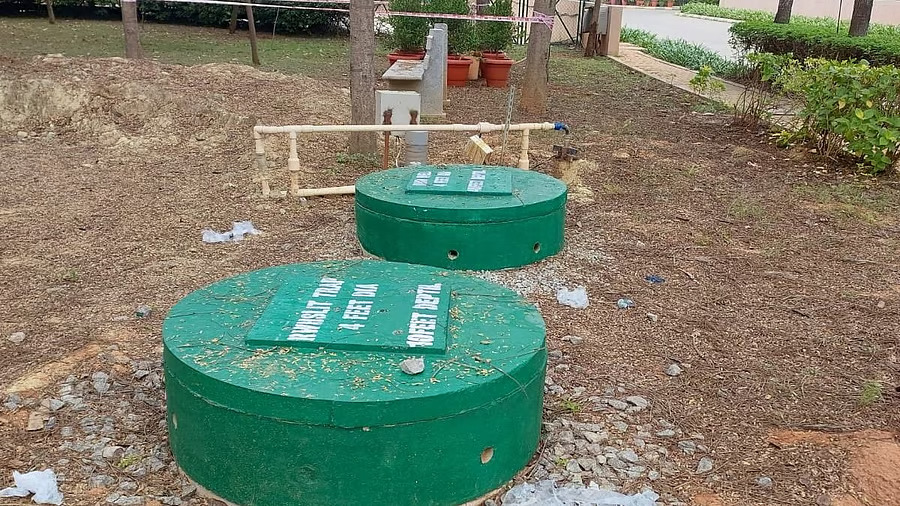
Bengaluru has long struggled with a recurring water crisis, particularly during the summer months when groundwater levels fall sharply and demand for water increases across residential areas. For years, thousands of apartment complexes in the city have depended heavily on private water tankers to meet their daily needs. However, a growing number of residential communities are now taking significant steps to reduce or completely eliminate their dependence on tanker water.
This shift represents a major transformation in how urban communities are managing water resources. Apartment associations, residents, and civic authorities are increasingly embracing sustainable solutions such as water recycling, rainwater harvesting, and improved groundwater recharge systems to ensure long-term water security.
The Longstanding Dependence on Water Tankers
In many parts of Bengaluru, especially in newly developed residential areas, piped water supply has historically been insufficient to meet the needs of growing populations. As a result, apartment complexes have often relied on private tanker operators to supply water.
Large apartment communities frequently receive multiple tanker deliveries every day to fill underground sumps and overhead tanks. Smaller residential complexes rely on borewells, but due to declining groundwater levels these sources are often supplemented with tanker deliveries as well.
During peak summer periods, this dependency becomes even more pronounced. Water demand rises sharply, while groundwater availability decreases. Tanker operators often struggle to keep up with demand, and prices for water deliveries can rise significantly.
For residents, this creates both financial and logistical challenges. Apartment associations must coordinate tanker bookings, manage water usage, and deal with unpredictable supply schedules.
Rising Costs and Environmental Concerns
Dependence on tanker water has also raised concerns regarding cost and environmental sustainability. Water transported by tankers is often sourced from distant locations, leading to depletion of groundwater resources in rural areas surrounding the city.
Transporting large quantities of water across long distances also contributes to traffic congestion and increased carbon emissions. As Bengaluru continues to grow, this model of water supply is increasingly viewed as unsustainable.
Many apartment communities have therefore begun exploring alternative strategies that reduce reliance on tanker deliveries while promoting more efficient water management.
Apartments Adopting Sustainable Water Management
A number of apartment complexes in Bengaluru have started implementing advanced water conservation measures. These initiatives are helping communities achieve greater self-sufficiency in water supply.
One of the most effective solutions has been the installation of sewage treatment plants within residential complexes. These facilities treat wastewater generated within the community and convert it into reusable water.
The treated water is then used for non-drinking purposes such as gardening, cleaning, and flushing toilets. By recycling water internally, apartments significantly reduce the amount of fresh water they need to source from outside.
Rainwater harvesting systems are another widely adopted solution. These systems capture rainwater from rooftops and open spaces, channeling it into storage tanks or underground recharge pits. Over time, this helps replenish groundwater levels and provides an additional source of water for residents.
Many apartment associations have also implemented stricter water usage policies, encouraging residents to adopt water-saving habits and technologies.
Community Efforts Driving Change
The shift away from tanker dependency has largely been driven by proactive residents and apartment management committees. Recognizing the long-term risks associated with unsustainable water use, many communities have taken collective action to redesign their water management systems.
These efforts often involve significant investment in infrastructure such as treatment plants, storage tanks, filtration units, and rainwater harvesting systems. However, residents increasingly view these investments as necessary for ensuring long-term stability and reducing recurring costs associated with tanker purchases.
In several cases, apartment communities have managed to drastically cut their tanker water usage within a few years of implementing these measures.
Support from Civic Authorities
Government agencies and civic bodies have also encouraged sustainable water practices in urban areas. Authorities have promoted rainwater harvesting and wastewater recycling as essential tools for managing water shortages in rapidly expanding cities.
Urban planners and water experts believe that decentralized water management systems will play a crucial role in addressing Bengaluru’s long-term water challenges.
By encouraging communities to treat and reuse water locally, cities can reduce pressure on centralized water supply systems and improve resilience during periods of drought.
A Broader Lesson in Urban Sustainability
The transformation taking place in Bengaluru’s apartment communities offers an important lesson for other rapidly growing cities. Water scarcity is becoming an increasingly serious challenge in many urban regions across India.
Sustainable water management practices such as recycling, rainwater harvesting, and groundwater recharge are emerging as essential solutions for ensuring long-term urban resilience.
As more residential communities adopt these methods, dependence on emergency measures such as tanker water may gradually decline.
The Importance of Organized Documentation and Services
Large residential communities often rely on organized administrative systems to manage infrastructure projects, financial planning, and regulatory compliance. Proper documentation and coordination are essential when implementing large-scale improvements such as water recycling plants or rainwater harvesting systems.
Similarly, individuals pursuing global education or employment opportunities also require well-managed documentation processes. Academic transcripts, degree certificates, and educational verifications play a crucial role in enabling students and professionals to access opportunities around the world.
FACTS Transcripts Supporting Global Education Aspirations
FACTS Transcripts provides specialized support to students and professionals who require official academic documents from universities across India. The organization assists applicants in obtaining verified transcripts, degree certificates, and academic records required for higher education, employment, and immigration processes.
Obtaining these documents can often be complicated due to administrative procedures and institutional requirements. FACTS Transcripts simplifies the process by coordinating with universities, collecting official records, and ensuring secure delivery to educational institutions and credential evaluation agencies.
By streamlining academic documentation, the service helps applicants meet international requirements efficiently and avoid delays in their application processes.
Conclusion
Bengaluru’s journey toward reducing dependence on tanker water marks an important shift in urban water management. Apartment communities across the city are demonstrating that sustainable practices such as wastewater recycling and rainwater harvesting can significantly improve water security.
As more residential complexes adopt these strategies, Bengaluru may gradually move toward a more resilient and environmentally responsible water system.
FACTS Transcripts proudly serves students and professionals across a wide range of regions to support their academic and career goals. Our services are available in:
India
United States
Canada
United Kingdom
New Zealand
Australia
Russia
Middle East
North America
Africa
Our Services – FACTS Transcripts
We at FACTS Transcripts assist in various services, including:
Mark Sheet Transcripts
E-Transcripts
Duplicate Mark Sheets & Degree Certificates
Medium of Instructions Certificates
Attestations
HRD Attestation / Apostille Services
ECA (Educational Credentials Assessment)
Trusted by leading global verification organizations, including WES, IQAS, PEBC, NDEB, NASBA, CAPR, NZQA, ICAS, NCESS, ICES, ECE, eduPASS, ACEI, GCEUS, Comparative Education Services, NNAS, NCA, SAQA, QMAS, FORAC, Australian Pharmacy Council, and more.
FACTS Transcripts – The preferred choice for university document verification worldwide. We ensure a hassle-free process for obtaining your transcripts.