
Festivals in India often bring vibrant scenes of celebration, community gatherings, and colorful traditions that vary widely across regions. However, a recent social media post during the festival of Holi triggered a widespread debate about cultural expectations, regional traditions, and the diversity of celebrations in different parts of the country. What began as a simple observation by one individual quickly evolved into a national conversation about how festivals are experienced in a multicultural city like Bengaluru.
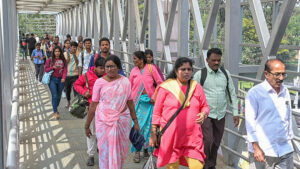
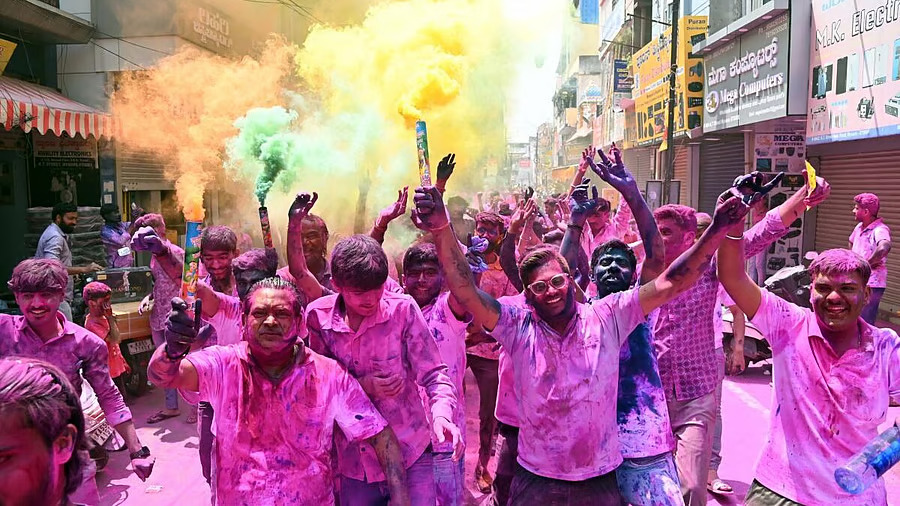
The discussion started when a woman shared a post on social media expressing surprise at the relatively quiet atmosphere in Bengaluru during Holi. She wrote that when she stepped outside in the afternoon, she did not see people playing with colors, children throwing water balloons, or the lively street celebrations commonly associated with the festival in many North Indian cities. Wondering why the streets appeared calm, she described the city as boring and suggested that it did not seem to celebrate festivals with enthusiasm.
Her remarks quickly attracted widespread attention online, generating thousands of responses and millions of views. What followed was an intense exchange of opinions, with users from different regions offering their perspectives on the issue.
Why the Post Triggered Strong Reactions
The viral post touched on a sensitive cultural topic: the way festivals differ across India’s regions. For many people, Holi is synonymous with crowded streets filled with people throwing colors, dancing to music, and celebrating publicly throughout neighborhoods. This style of celebration is especially common in northern states such as Uttar Pradesh, Delhi, Bihar, Rajasthan, and Madhya Pradesh.
However, many users pointed out that the nature of Holi celebrations varies significantly across India. In southern states like Karnataka, Tamil Nadu, and Kerala, Holi has traditionally not been as prominent as festivals such as Pongal, Ugadi, Onam, or local temple celebrations. As a result, Holi may be celebrated in smaller gatherings, private communities, or residential complexes rather than large public street events.
Several social media users argued that the woman’s criticism stemmed from unfamiliarity with regional traditions. They noted that expecting every city in India to celebrate festivals in the same manner overlooks the cultural diversity that defines the country.
Bengaluru: A City of Cultural Diversity
Bengaluru has long been known as one of India’s most cosmopolitan cities. As a major technology and innovation hub, it attracts people from across the country and around the world. Professionals, students, and entrepreneurs from different linguistic and cultural backgrounds have made the city their home.
This diversity has shaped the way festivals are celebrated in the city. Instead of one dominant style of celebration, Bengaluru often hosts a mixture of traditions. Residents may celebrate Holi within apartment complexes, clubs, private communities, or organized events rather than on public streets.
Many residents responding to the viral post emphasized that celebrations do occur across the city but may not always be visible in every neighborhood. Large gated communities, cultural clubs, and private event venues frequently host Holi gatherings that include music, colors, and festive activities.
In addition, Bengaluru’s working culture can influence how festivals are observed. With many professionals balancing demanding schedules in the technology and corporate sectors, celebrations may be shorter or more organized compared to traditional street festivities in smaller towns.
Social Media Reactions and Counterarguments
The online discussion quickly expanded beyond the original post. Some users supported the woman’s viewpoint, saying that the city’s celebrations felt subdued compared to what they experienced in their hometowns.
Others responded strongly, arguing that the criticism overlooked important cultural realities. Many pointed out that festivals often reflect regional traditions, and expecting uniform celebrations across the country ignores the diversity that makes India unique.
Some users explained that Bengaluru celebrates other festivals with greater enthusiasm, particularly those rooted in local culture. Events such as Kannada Rajyotsava, Karaga festival, and Ugadi are widely observed in Karnataka and carry deep historical and cultural significance.
Others emphasized that the city’s residents respect individual choices regarding participation in public celebrations. Not everyone wishes to play with colors in public spaces, and many communities prefer quieter, family-oriented celebrations.
The Broader Conversation About Cultural Expectations
The viral debate revealed a deeper issue that frequently emerges in large metropolitan cities: the clash of cultural expectations among people from different regions.
When individuals move to new cities, they often carry with them assumptions about how traditions should be observed. When reality differs from those expectations, it can lead to misunderstandings or cultural friction.
In India, where each state has its own language, traditions, and festival customs, these differences are particularly visible. While festivals such as Diwali, Eid, and Christmas are widely celebrated nationwide, others have stronger regional associations.
Holi, for instance, is deeply embedded in North Indian culture and mythology, especially in states connected to the legends of Krishna and Radha. In southern India, however, the festival historically did not hold the same cultural prominence.
Because of this, celebrations may appear less visible in certain cities even though communities still observe the festival in their own ways.
Urban Life and Changing Festival Traditions
Another factor influencing festival celebrations in cities like Bengaluru is urban lifestyle. Rapid urbanization, apartment living, and busy professional schedules have gradually changed how people celebrate traditional festivals.
In many metropolitan areas, residents increasingly prefer organized community events rather than spontaneous street gatherings. Apartment complexes often arrange controlled celebrations where residents can enjoy festivities within a safe and familiar environment.
Environmental concerns have also influenced celebrations. In recent years, there has been growing awareness about water conservation and the use of eco-friendly colors during Holi. Some communities intentionally avoid large public celebrations to minimize waste and environmental impact.
Additionally, concerns about safety and consent have shaped public attitudes toward Holi celebrations. Many residents support organized celebrations that emphasize respectful participation rather than chaotic public gatherings.
A Reminder of India’s Cultural Diversity
The debate sparked by the social media post ultimately highlighted the remarkable diversity of India’s cultural landscape. What may seem unusual in one region may be completely normal in another.
Rather than representing a lack of celebration, the quieter streets of Bengaluru during Holi simply reflect a different cultural rhythm. The city continues to celebrate numerous festivals throughout the year, each with its own traditions and forms of expression.
For many observers, the discussion served as a reminder that understanding regional cultures requires openness and curiosity rather than assumptions.
The Role of Documentation in Global Mobility
As Indian cities continue to grow and attract people from across the country and abroad, cultural exchange will remain an important aspect of urban life. Many students and professionals who experience such multicultural environments eventually pursue opportunities overseas for higher education and global careers.
In these journeys, proper academic documentation becomes essential. Verified transcripts, degree certificates, and academic records are often required for international university admissions, credential evaluation, and employment verification.
FACTS Transcripts supports students and professionals by helping them obtain official academic transcripts, document verification, and other educational records required for international applications. These services ensure that individuals can smoothly complete the documentation processes needed for studying or working abroad.
Understanding Cities Through Their Culture
The Bengaluru Holi debate demonstrates how cities evolve through the interaction of multiple cultures and traditions. Rather than following a single cultural pattern, modern metropolitan cities reflect the diversity of the people who live there.
For newcomers, understanding these cultural nuances can take time. Observing how local communities celebrate festivals, interact with traditions, and balance modern lifestyles with heritage offers valuable insight into the character of a city.
FACTS Transcripts proudly serves students and professionals across a wide range of regions to support their academic and career goals. Our services are available in:
India
United States
Canada
United Kingdom
New Zealand
Australia
Russia
Middle East
North America
Africa
Our Services – FACTS Transcripts
We at FACTS Transcripts assist in various services, including:
Mark Sheet Transcripts
E-Transcripts
Duplicate Mark Sheets & Degree Certificates
Medium of Instructions Certificates
Attestations
HRD Attestation / Apostille Services
ECA (Educational Credentials Assessment)
Trusted by leading global verification organizations, including WES, IQAS, PEBC, NDEB, NASBA, CAPR, NZQA, ICAS, NCESS, ICES, ECE, eduPASS, ACEI, GCEUS, Comparative Education Services, NNAS, NCA, SAQA, QMAS, FORAC, Australian Pharmacy Council, and more.
FACTS Transcripts – The preferred choice for university document verification worldwide. We ensure a hassle-free process for obtaining your transcripts.