

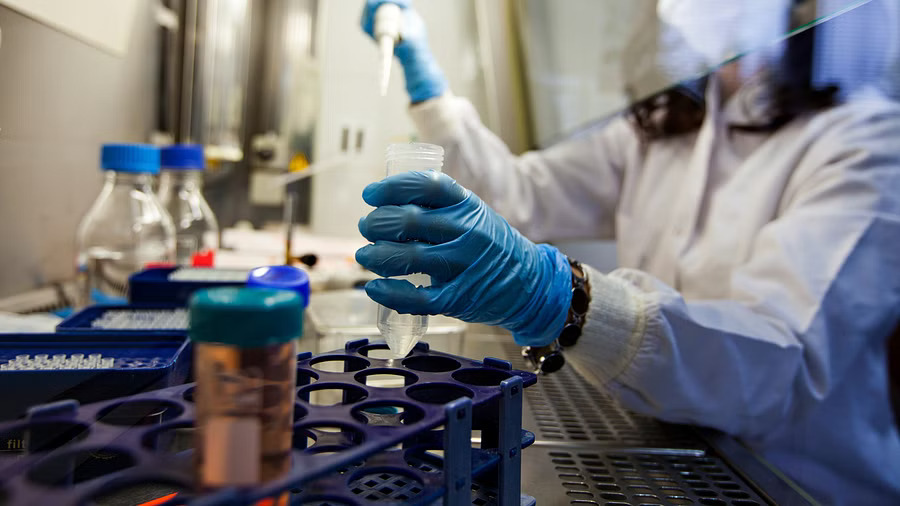
The state of Karnataka is encountering challenges in effectively monitoring and controlling Kyasanur Forest Disease (KFD) due to the absence of accredited laboratories. The lack of accredited facilities has hindered the state’s efforts to swiftly and accurately diagnose and respond to cases of KFD.
Kyasanur Forest Disease, a tick-borne viral illness, remains a concern in certain regions of Karnataka, requiring a robust surveillance system for timely detection and intervention. Accredited laboratories play a critical role in this process by providing reliable diagnostic results and enabling effective disease management.
The current limitations posed by the absence of accredited labs emphasize the pressing need to enhance Karnataka’s capacity for KFD surveillance. The state health authorities are actively focusing on building a stronger surveillance mechanism by collaborating with recognized laboratories and agencies.
Efforts are underway to establish a network of accredited laboratories equipped to diagnose and confirm KFD cases promptly. This step is vital for enabling the state to respond swiftly to any outbreak, implement appropriate control measures, and minimize the spread of the disease.
Authorities stress the importance of investing in healthcare infrastructure and strengthening the laboratory network, especially in regions susceptible to vector-borne diseases like KFD. Adequate funding and resources are crucial to ensure the state’s preparedness and capability to effectively manage emerging and re-emerging diseases.
The collaborative efforts of the government, healthcare institutions, and research organizations are anticipated to pave the way for an improved surveillance system, reinforcing Karnataka’s ability to combat KFD and other infectious diseases effectively.