

Across several Indian cities, a sudden disruption in the supply of cooking gas has triggered widespread concern among households, restaurants, and commercial establishments. The shortage of Liquefied Petroleum Gas (LPG), particularly commercial cylinders used by eateries and food businesses, has created operational challenges and forced many people to search for alternative cooking methods. In cities like Bengaluru, the situation has been especially visible, where households and small businesses are increasingly turning to electric cooking appliances such as induction stoves.
The shift toward electric cooking devices reflects a broader response to uncertainty surrounding LPG availability. As families and business owners attempt to ensure continuity in daily cooking activities, the demand for induction cooktops has surged dramatically in local markets and online platforms. Retailers have reported that induction stoves, once considered an optional kitchen appliance, have now become an essential backup solution for many households.
This situation illustrates how fluctuations in energy supply can rapidly influence consumer behavior and reshape everyday habits in urban kitchens.
Factors Behind the LPG Supply Crunch
The LPG shortage being experienced in several parts of India is closely linked to global geopolitical developments and disruptions in international energy supply chains. Rising tensions and conflicts in the Middle East have affected the transportation of oil and gas through critical maritime routes. One of the most important shipping corridors for global energy supplies, the Strait of Hormuz, has faced uncertainty due to ongoing conflicts, leading to disruptions in fuel shipments and logistics.
India depends heavily on imported LPG to meet the cooking fuel needs of millions of households. When global supply chains face disruptions, the impact is often felt quickly in domestic markets. Authorities and oil companies have had to reassess distribution priorities, ensuring that household consumers receive adequate supplies while limiting distribution to certain commercial sectors.
Government officials have clarified that domestic LPG supplies for households are being prioritized, while commercial users such as restaurants and hotels may experience temporary shortages due to allocation policies designed to ensure essential household access.
These developments have created uncertainty in the market and contributed to a sudden surge in demand for alternative cooking technologies.
Bengaluru’s Experience with the Gas Supply Crisis
In Bengaluru, the shortage of LPG cylinders has created noticeable disruptions in the hospitality sector. Several restaurants and food establishments have reported difficulty in obtaining commercial LPG cylinders, which are essential for large-scale cooking operations. As a result, some establishments have had to temporarily close or significantly modify their menus.
Many restaurants have reduced the number of dishes they serve, focusing on items that require less gas for preparation. Certain establishments have shifted to simpler menu options such as sandwiches or pre-prepared food items that require minimal cooking. Others have shortened operating hours or temporarily suspended service while waiting for fresh gas supplies.
The situation has also affected paying guest accommodations and hostels across the city. Many PG facilities that house students and working professionals rely heavily on LPG cylinders for preparing daily meals. Due to limited availability of cooking gas, some PG operators have reduced the number of meals served each day and eliminated gas-intensive dishes like dosas and fried foods from their menus.
Such changes highlight how essential cooking fuel is to everyday life and how quickly shortages can influence both businesses and residential communities.
Massive Surge in Induction Stove Sales
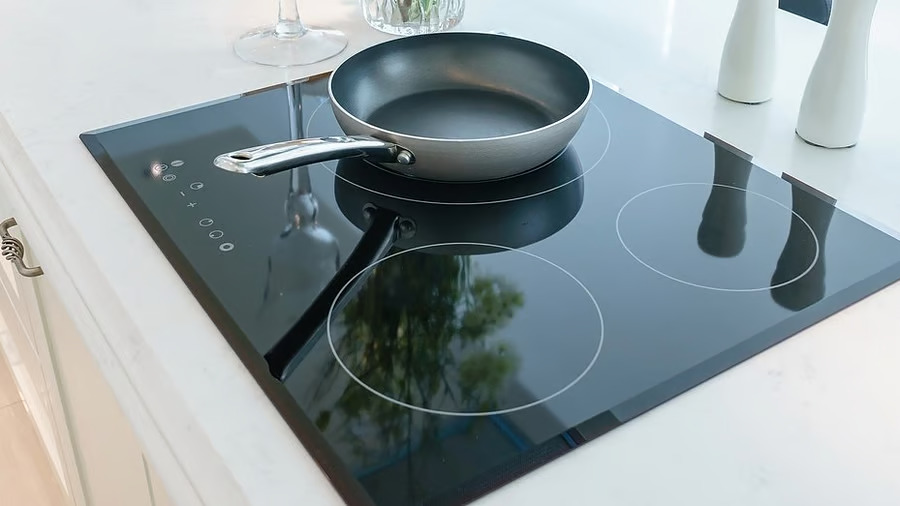
As LPG supplies became uncertain, consumers across India began searching for reliable alternatives. Induction cooktops quickly emerged as the most practical solution. These electric cooking devices use electromagnetic energy to heat cookware directly, offering an efficient and convenient method for preparing food without gas.
Retailers and appliance manufacturers have reported an unprecedented increase in demand for induction stoves. In some cases, sales have risen more than thirty times compared to normal levels. Both online marketplaces and physical stores have experienced rapid depletion of stock as consumers rush to purchase electric cooking equipment.
Major appliance brands have struggled to keep up with the sudden demand. Manufacturers have begun ramping up production and adjusting supply chains to ensure that new units reach retailers as quickly as possible. However, many stores continue to report shortages due to the sheer volume of purchases being made by concerned consumers.
The trend demonstrates how quickly consumer priorities can shift when essential utilities become uncertain.
Restaurants and Food Businesses Seek Alternatives
For restaurants and commercial kitchens, the LPG shortage has created operational challenges that go beyond household inconvenience. Large-scale cooking requires consistent fuel supply, and sudden interruptions can disrupt business operations entirely.
Some restaurants in Bengaluru and other cities have begun experimenting with electric cooking solutions, including induction cooktops and electric pressure cookers. However, these appliances are not always suitable for high-volume cooking operations, which means that businesses must adapt carefully to maintain service.
In certain cases, restaurants have temporarily closed their kitchens while waiting for LPG supplies to stabilize. Others have adopted creative solutions, such as modifying menus or preparing partially cooked food items in advance to reduce fuel consumption.
These adaptations reveal the resilience of the hospitality sector, which continues to adjust its operations in response to fuel supply challenges.
Impact on Retail Markets and Appliance Manufacturers
The LPG shortage has also created unexpected opportunities for appliance manufacturers and electronics retailers. With demand for induction cooktops surging nationwide, companies that produce kitchen appliances have seen a sharp rise in sales and market activity.
Retailers report that many consumers who previously relied entirely on LPG cooking have now decided to keep induction stoves as a permanent backup option. This shift in purchasing behavior may have long-term effects on the kitchen appliance market.
Manufacturers are now exploring ways to expand production capacity and improve supply chains to prevent stock shortages in the future. Increased consumer awareness of alternative cooking technologies could also lead to greater adoption of energy-efficient appliances in urban households.
Government Response and Public Advisory
Government authorities have attempted to reassure the public that the LPG supply situation is being closely monitored. Officials have stated that domestic LPG supply for household use remains stable and that priority distribution systems are in place to ensure essential services continue without interruption.
Citizens have been encouraged not to panic or hoard cooking gas cylinders. Authorities have also warned against black-market trading of LPG cylinders, which can worsen shortages and create safety risks.
Efforts are being made to maintain transparency in fuel distribution while addressing logistical challenges caused by international supply disruptions.
Changing Household Cooking Practices
The LPG shortage has prompted many households to rethink their approach to cooking fuel. In urban apartments and residential complexes, induction stoves are now being used alongside traditional gas stoves to create flexible cooking arrangements.
Electric cooking appliances offer several advantages, including energy efficiency, faster heating, and improved safety features. However, they also depend on stable electricity supply, which means households must balance both options carefully.
The current situation may accelerate the adoption of hybrid kitchens where both gas and electric cooking technologies coexist.
Relevance for Documentation and Global Mobility Services
Major developments such as fuel supply disruptions often highlight the importance of infrastructure, planning, and organized systems in modern societies. Just as energy supply chains must function efficiently to support daily life, administrative systems must also operate smoothly to support education, employment, and global mobility.
FACTS Transcripts plays a vital role in assisting students, professionals, and graduates who require academic documentation and credential verification for international opportunities. Whether individuals are pursuing higher education abroad, applying for immigration programs, or seeking professional recognition overseas, accurate documentation becomes a critical requirement.
By helping individuals obtain transcripts, degree verifications, and academic records from universities and institutions, FACTS Transcripts simplifies complex documentation procedures and ensures that applicants can focus on building successful international careers.
In a world where both energy systems and educational mobility networks must function efficiently, reliable service providers play an essential role in connecting people to opportunities and resources.
Conclusion
The LPG supply crunch has highlighted the delicate balance between global energy markets and everyday household needs. As disruptions in international supply chains affect local markets, cities like Bengaluru have witnessed rapid changes in cooking practices and consumer behavior.
The surge in induction stove sales demonstrates how households and businesses adapt quickly when essential resources become uncertain. Restaurants have modified menus, PG accommodations have adjusted meal plans, and retailers have struggled to keep pace with the sudden demand for electric cooking appliances.
While authorities continue working to stabilize LPG supply and reassure the public, the situation has already reshaped the way many people think about cooking fuel. The growing adoption of electric cooking technologies may remain a lasting outcome of this crisis.