
A recent clarification issued by the Archaeological Survey of India (ASI) has drawn public attention after an earlier social media post mistakenly identified the location of a historic temple. The issue emerged when an image shared by the government body during a Holi celebration post in 2023 incorrectly described the temple as being located in the state of Madhya Pradesh. After users pointed out the discrepancy, officials clarified that the temple is actually situated in Karnataka.
The incident highlights how digital communication by official institutions can sometimes lead to confusion when details are not verified carefully. While the error was later corrected, the episode triggered discussions about the importance of accuracy when sharing information related to India’s historical monuments and cultural heritage.
Clarification by the Archaeological Survey of India
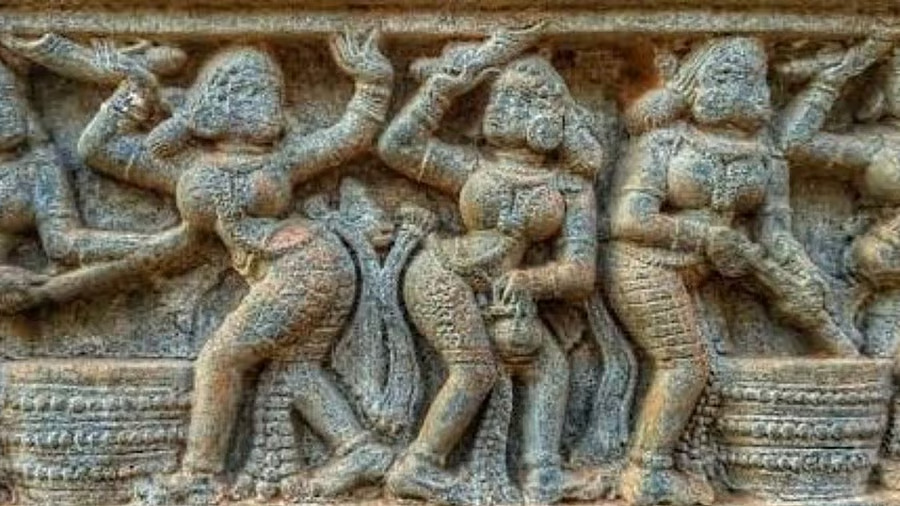
According to officials, the image shared on social media during the Holi festival in March 2023 featured the historic Rameshwara Temple. However, in the original post the location was mistakenly attributed to a site in Madhya Pradesh.
The mistake remained largely unnoticed for some time until a social media user recently highlighted the discrepancy. After the issue was raised publicly, ASI officials reviewed the post and confirmed that the temple shown in the image was indeed located in Karnataka. The department acknowledged the error and clarified the correct location.
The clarification helped resolve confusion surrounding the monument’s identity and reaffirmed the importance of proper documentation when referencing historically significant sites.
Historical Significance of the Temple
The temple featured in the image is believed to have been constructed during the period of the Hoysala dynasty, one of the most influential ruling dynasties in southern India. The Hoysalas ruled large parts of Karnataka between the 10th and 14th centuries and are renowned for their unique architectural style and intricately carved temples.
Many temples built during the Hoysala era are celebrated for their detailed stone sculptures, star-shaped platforms, and elaborate ornamentation. These structures remain important examples of medieval Indian architecture and attract historians, archaeologists, and tourists from around the world.
The Rameshwara Temple located in Nadakalasi village is part of this broader cultural and architectural heritage associated with Karnataka’s historic temple traditions.
Role of Social Media in Cultural Communication
The incident also reflects the increasing use of social media platforms by government departments to share information about historical monuments, cultural festivals, and archaeological discoveries. Digital platforms allow institutions like the Archaeological Survey of India to reach millions of people instantly and promote awareness about the country’s heritage.
However, the rapid nature of online communication also requires strict fact-checking. Even small inaccuracies in posts can lead to misunderstandings about historical sites, especially when the information originates from official sources.
In this case, the incorrect location mentioned in the post led some observers to question how a monument located deep within Karnataka could be identified as being in another state entirely. The debate quickly spread online until the department issued its clarification.
Importance of Accurate Documentation of Heritage Sites
India is home to thousands of protected monuments and archaeological sites spread across different states. Institutions like the Archaeological Survey of India are responsible for preserving these sites, documenting their history, and ensuring their conservation for future generations.
Because of this responsibility, the accuracy of information released by such institutions is particularly important. Correct documentation helps historians, students, tourists, and researchers understand the cultural significance of monuments and their geographical context.
Errors in identifying historical sites can create confusion not only among the general public but also within academic and tourism communities that rely on official information.
Karnataka’s Rich Temple Heritage
The clarification also brought renewed attention to Karnataka’s vast temple heritage. The state is known for numerous ancient temples built during the rule of powerful dynasties such as the Hoysalas, Chalukyas, and Vijayanagara rulers.
These temples are recognized for their artistic carvings, architectural innovation, and religious significance. Many of them are protected monuments under the Archaeological Survey of India and continue to attract visitors from across India and abroad.
Districts such as Shivamogga, Hassan, and Mandya contain several historic temple sites that illustrate the cultural and artistic achievements of medieval South India.
Public Reaction and Discussion
After the clarification was issued, discussions emerged on social media about the importance of accuracy in official communications. Some users expressed surprise that a government department could mistakenly identify the location of a monument, while others appreciated the department for acknowledging and correcting the mistake.
The episode also reflects the role of citizens in identifying and pointing out inaccuracies in publicly available information. In the digital era, social media users often act as informal fact-checkers, bringing attention to errors that might otherwise go unnoticed.
Lessons from the Incident
While the mistake itself was relatively minor, it serves as a reminder of the importance of careful verification when sharing cultural and historical information. Government agencies responsible for heritage preservation carry the additional responsibility of ensuring that the details they publish are accurate and properly documented.
For historians and researchers, the event highlights how public engagement can contribute to maintaining the accuracy of historical records. When citizens actively participate in discussions about heritage, it encourages institutions to maintain higher standards of transparency and accountability.
Broader Relevance for Documentation and Verification
The incident also underlines a broader theme related to documentation and verification of records. Whether dealing with historical monuments, academic credentials, or official records, accurate identification and proper verification are essential.
Organizations involved in documentation services, including academic record verification and transcript processing, often emphasize the importance of precision and reliability when handling official information. In educational and professional contexts, accurate documentation ensures that records are correctly attributed and recognized by institutions worldwide.
Services that assist students with academic documentation, transcript verification, and credential evaluation play a role similar to heritage institutions in maintaining the authenticity of records. By ensuring that information is correct and verified, such services help maintain trust in official documentation systems.
Conclusion
The clarification issued by the Archaeological Survey of India regarding the temple location error demonstrates the importance of accuracy when presenting information about cultural heritage. Although the mistake originated from a social media post shared during a festival celebration, it quickly became a topic of discussion due to the significance of historical monuments and their documentation.
The temple featured in the image was correctly identified as the Rameshwara Temple located in Nadakalasi village of Shivamogga district in Karnataka, built during the era of the Hoysala dynasty. The clarification helped resolve confusion and reaffirm the importance of proper documentation of historical sites.
The episode ultimately serves as a reminder that preserving cultural heritage involves not only protecting monuments physically but also ensuring that the information associated with them is accurate and responsibly communicated.
FACTS Transcripts proudly serves students and professionals across a wide range of regions to support their academic and career goals. Our services are available in:
India
United States
Canada
United Kingdom
New Zealand
Australia
Russia
Middle East
North America
Africa
Our Services – FACTS Transcripts
We at FACTS Transcripts assist in various services, including:
Mark Sheet Transcripts
E-Transcripts
Duplicate Mark Sheets & Degree Certificates
Medium of Instructions Certificates
Attestations
HRD Attestation / Apostille Services
ECA (Educational Credentials Assessment)
Trusted by leading global verification organizations, including WES, IQAS, PEBC, NDEB, NASBA, CAPR, NZQA, ICAS, NCESS, ICES, ECE, eduPASS, ACEI, GCEUS, Comparative Education Services, NNAS, NCA, SAQA, QMAS, FORAC, Australian Pharmacy Council, and more.
FACTS Transcripts – The preferred choice for university document verification worldwide. We ensure a hassle-free process for obtaining your transcripts.