

Agriculture remains the backbone of many rural economies in India, and in several parts of Karnataka, tobacco cultivation plays a vital role in sustaining thousands of farming families. In recent months, however, tobacco growers in the Mysuru region have been facing increasing uncertainty due to falling market prices and irregular auction activities. Recognizing the seriousness of the situation, Union Minister H. D. Kumaraswamy stepped in to address the concerns of farmers and ensure that they receive fair compensation for their produce.
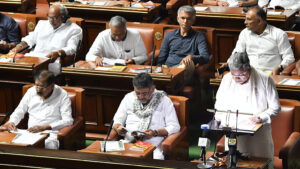
During a high-level meeting held in Mysuru, the minister urged officials and traders associated with the Tobacco Board to ensure higher and more remunerative prices for tobacco growers. The meeting brought together public representatives, farmers, buyers, and government officials to discuss the challenges affecting the tobacco market and to find practical solutions that would safeguard the livelihoods of cultivators.
The Importance of Tobacco Cultivation in the Mysuru Region
Tobacco farming has been a key agricultural activity in parts of southern Karnataka for decades. Districts such as Mysuru, Periyapatna, Hunsur, and surrounding areas are known for cultivating high-quality Flue-Cured Virginia (FCV) tobacco. This variety is widely used in the production of cigarettes and is an important export commodity.
For thousands of farmers in the region, tobacco is not just another crop. It is the primary source of income that supports household expenses, education for children, and community livelihoods. Entire rural economies—from labourers to transport workers—depend on the success of the tobacco market.
However, fluctuations in auction prices and reduced participation by buyers have created uncertainty among farmers. When prices fall sharply, growers struggle to recover even the basic costs of cultivation.
Recent reports show that average tobacco prices in Mysuru markets have dropped significantly compared to previous seasons, leaving many farmers worried about their financial stability.
High-Level Meeting to Address Farmers’ Concerns
In response to the growing distress among tobacco growers, Union Minister H. D. Kumaraswamy convened a meeting with representatives of tobacco companies, the Tobacco Board, and public officials.
The objective of the meeting was to ensure that farmers receive fair and remunerative prices for their produce during the ongoing FCV tobacco auction season. The minister made it clear that protecting the interests of farmers is a priority and warned traders against ignoring earlier commitments made to growers.
He emphasized that traders and purchasing companies must buy tobacco at prices comparable to those offered in neighboring states such as Andhra Pradesh. This comparison was important because farmers in Karnataka often receive lower prices despite producing tobacco of similar quality.
By urging companies to align their pricing with markets in other regions, the minister aimed to restore confidence among growers and stabilize the auction process.
Addressing Concerns About Auction Disruptions
Another major issue discussed during the meeting was the disruption of tobacco auctions. Auctions are essential for determining market prices and enabling farmers to sell their produce.
In some instances, auctions had slowed down or temporarily halted due to various economic factors, including tax changes and reduced participation by buyers. When auctions stop functioning smoothly, farmers are left with unsold produce and mounting financial pressure.
The minister cautioned traders against any unilateral decision to suspend auction activities, as such actions can create mistrust among farmers. If growers begin to lose faith in the system, they may shift to alternative crops, which could significantly affect the tobacco industry in the region.
Ensuring transparency and continuity in auction processes was therefore highlighted as a crucial step in maintaining stability in the market.
Debate Over Tax Policies and Market Impact
One of the reasons cited for the decline in tobacco prices has been changes in taxation on tobacco products such as cigarettes. Increased taxes have affected the purchasing behavior of manufacturing companies and traders, which in turn influences the demand for raw tobacco.
During the discussions, concerns were raised that the burden of these policy changes should not fall on farmers who have no direct role in the manufacturing or taxation aspects of the industry.
The minister questioned why farmers should suffer due to policy changes affecting finished products. He emphasized that the cost of taxation should be addressed at the consumer or industry level rather than pushing farmers into financial distress.
At the same time, the government expressed willingness to discuss traders’ concerns about taxes and duties with higher authorities in New Delhi. However, the minister made it clear that protecting farmers’ interests must remain the top priority.
Participation of Public Representatives and Stakeholders
The meeting was attended by several elected representatives and government officials from tobacco-growing regions. Their presence highlighted the importance of the issue not only for farmers but also for the broader rural economy.
Local leaders emphasized that tobacco cultivation provides employment to thousands of people and contributes significantly to the region’s economic activity. Ensuring stable prices is therefore essential for maintaining economic balance in these rural communities.
Some representatives also suggested measures such as increasing competition in auctions by allowing more buyers, including international companies, to participate. Greater competition could potentially help improve price discovery and provide better returns for farmers.
Rising Costs and Farmer Distress
Another key concern raised during the discussions was the increasing cost of cultivation. Tobacco farming involves several stages, including seed preparation, transplanting, irrigation, curing, and storage. Each stage requires labour, equipment, and other inputs.
Over the years, the cost of fertilizers, labour wages, electricity, and transportation has increased significantly. As a result, farmers require higher selling prices simply to recover their investment.
When market prices drop below sustainable levels, farmers often face severe financial pressure. In some cases, they are forced to take loans to cover cultivation expenses, increasing their vulnerability to debt.
These realities make it essential for policymakers to ensure fair market prices and stable auction systems.
The Broader Agricultural Context
The challenges faced by tobacco farmers are not unique. Many agricultural sectors in India experience price fluctuations due to market demand, government policies, international trade dynamics, and environmental conditions.
In the case of tobacco, global demand, export regulations, and domestic tax policies all influence the final price that farmers receive. Addressing these challenges requires coordinated efforts from multiple stakeholders, including government agencies, industry participants, and farmer organizations.
By intervening early and facilitating dialogue between farmers and traders, policymakers hope to prevent deeper economic crises in rural communities.
The Future of Tobacco Farming in Karnataka
Despite the current challenges, tobacco cultivation remains an important agricultural activity in Karnataka. The state produces significant quantities of FCV tobacco each year and contributes to India’s overall tobacco export industry.
Ensuring sustainable farming practices, fair prices, and transparent marketing systems will be crucial for maintaining the long-term viability of the sector.
If farmers continue to receive fair compensation and support from government institutions, tobacco cultivation can remain a reliable source of livelihood for thousands of families.
At the same time, efforts are being made to diversify agricultural practices and explore alternative crops that may offer additional economic opportunities for farmers in the future.
Supporting Agricultural Students and Graduates with FACTS Transcripts
Issues affecting agricultural sectors such as tobacco farming highlight the importance of education, research, and professional expertise in fields like agricultural science, rural development, and agricultural economics.
Students who pursue academic programs related to agriculture, agribusiness, and rural policy often require official academic documents when applying for higher education, research opportunities, or international employment.
FACTS Transcripts assists students and graduates in obtaining official transcripts, degree certificates, and document verification from universities across India. These documents are essential for pursuing postgraduate studies, professional certifications, and global career opportunities.
Agricultural professionals, researchers, and students who plan to work or study abroad frequently require verified academic records. FACTS Transcripts helps streamline this process by coordinating with universities and ensuring that documentation is processed efficiently and securely.
Conclusion
The intervention by Union Minister H. D. Kumaraswamy in the tobacco pricing issue reflects the government’s recognition of the difficulties faced by farmers in Karnataka. By urging traders and officials to ensure better prices and transparent auction processes, the government aims to protect the livelihoods of tobacco growers and restore confidence in the agricultural market.
FACTS Transcripts proudly serves students and professionals across a wide range of regions to support their academic and career goals. Our services are available in:
India
United States
Canada
United Kingdom
New Zealand
Australia
Russia
Middle East
North America
Africa
Our Services – FACTS Transcripts
We at FACTS Transcripts assist in various services, including:
Mark Sheet Transcripts
E-Transcripts
Duplicate Mark Sheets & Degree Certificates
Medium of Instructions Certificates
Attestations
HRD Attestation / Apostille Services
ECA (Educational Credentials Assessment)
Trusted by leading global verification organizations, including WES, IQAS, PEBC, NDEB, NASBA, CAPR, NZQA, ICAS, NCESS, ICES, ECE, eduPASS, ACEI, GCEUS, Comparative Education Services, NNAS, NCA, SAQA, QMAS, FORAC, Australian Pharmacy Council, and more.
FACTS Transcripts – The preferred choice for university document verification worldwide. We ensure a hassle-free process for obtaining your transcripts.
……………..