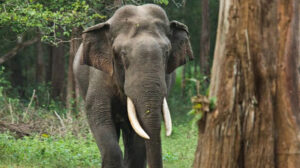


In late January 2026, Karnataka’s Forest, Ecology and Environment Minister Eshwar B. Khandre directed the deployment of forest staff, local field personnel and drone surveillance systems in the Male Mahadeshwara Hills (commonly referred to as MM Hills) to prevent further wildlife attacks following a tragic incident in which a young man was mauled to death by a leopard during a pilgrimage trek. This directive comes at a critical moment for wildlife management in the region, where escalating human-animal conflict has stressed both communities and conservation systems. The minister’s decision highlights the complex interplay between protecting human lives, conserving wildlife, and ensuring safe access to sacred sites at MM Hills, which is both an ecological sanctuary and a spiritual destination.
A Tragic Trigger and the Need for Action
The decision to enhance ground presence and technological oversight in MM Hills was precipitated by the tragic death of a pilgrim who was attacked by a leopard while trekking the forested hills. MM Hills is not just an ecological hotspot; it is also a site that draws tens of thousands of devotees annually, many of whom walk several kilometers through forest trails as part of a traditional pilgrimage. In the wake of the attack, officials faced pressure to find solutions that would prevent further loss of life without undermining the region’s cultural significance. The High Court-mandated heightened safety measures and the state’s proactive response reflect this urgency.
The minister’s order called for continuous surveillance of key pilgrimage routes using drones equipped with real-time cameras, allowing forest officials to monitor animal movement patterns and take proactive steps to protect visiting devotees. Alongside aerial surveillance, the government directed the deployment of on-foot forest staff and trained local personnel on critical paths to provide assistance, early warnings, and immediate response whenever a potential conflict situation arises. These efforts are aimed at creating a layered safety net for both humans and wildlife.
MM Hills: A Landscape of Natural Beauty and Conflict
MM Hills Wildlife Sanctuary, which spans a significant forested area along Karnataka’s border with Tamil Nadu, is home to rich biodiversity, including leopards, deer, elephants and other wildlife species. As conservation efforts have led to a gradual resurgence of big cats and other predators, human-animal conflicts have simultaneously increased, partly because of overlapping territories, livestock grazing inside sanctuary limits, and expanding human activity around fringe areas. Unregulated grazing by thousands of livestock from nearby villages has contributed to habitat degradation and food scarcity for wild herbivores, forcing them to venture closer to human settlements and agricultural fields.
The rise in conflict has also been influenced by broader landscape-level pressures. Calls have been ongoing to declare MM Hills a tiger reserve, which conservationists argue could strengthen protection measures and funding, reduce threats to wildlife, and enhance conflict-prevention infrastructure. However, until such formal designation is in place, forest management must rely on targeted interventions to balance ecological health with human safety.
Drones and Technology: A New Frontier in Wildlife Monitoring
The use of drones represents a significant evolution in how wildlife departments manage risk in difficult terrain. Unlike traditional patrols that are limited in scope and coverage, drone surveillance can track animal movements in real time, detect straying predators before they reach populated areas or commonly used trails, and help guide rapid response teams to emerging hotspots. Drones equipped with thermal imaging or high-resolution cameras can also monitor areas that are otherwise hard to access, especially at dawn or dusk when wildlife movement tends to spike.
In addition to drones, the broader strategy for human-wildlife conflict in Karnataka has included the establishment of tech-enabled command centres that integrate ground reports, camera feeds and satellite data. These hubs allow officials to quickly assess risk levels and coordinate field action, improving response times and situational awareness across multiple regions prone to animal incursions.
Deploying Staff: Bridging Technology and Human Presence
While technology plays a transformative role, human presence remains essential on the ground. Forest watchers, guards and local support personnel serve multiple functions:
They provide real-time assessment of situations that technology alone cannot interpret, such as the behavior of a particular animal or the immediate reactions of a crowd of pilgrims.
Trained staff can assist visitors who may be in distress or confusion on the trails.
Their presence itself can act as a preventive measure, deterring human behavior that might inadvertently provoke wildlife encounters.
Recognising the challenges staff face, Karnataka has in recent times introduced measures like body cameras for frontline forest staff, an initiative aimed at improving performance monitoring and accountability while also gathering valuable evidence during patrols.
However, there are chronic personnel shortages in many wildlife regions, including MM Hills, where vacancies for key posts such as Forest Watchers and Foresters remain alarmingly high. Such staffing gaps undermine sustained oversight and have been a point of concern in legal and conservation circles, prompting calls for recruitment drives to fill these roles adequately.
Safety Measures for Pilgrims and Residents
In response to the recent conflict, several administrative steps have been implemented to safeguard devotees and local communities. Restrictions on trekking during certain hours have been imposed, and additional transportation options like bus services are being offered to reduce foot traffic in high-risk zones. Setting time limits for entry and exit on pilgrimage trails ensures that visitors avoid periods when wildlife movement is most unpredictable.
Moreover, the emphasis on technology and manpower does not only serve pilgrim safety; it also forms part of a larger effort to protect local residents who live on the fringes of wildlife habitats. These communities often bear the brunt of wildlife incursions, from loss of livestock to serious injury. The government’s actions aim to reduce these risks through predictive monitoring, immediate intervention, and informed public communication.
Long-Term Vision for Human-Wildlife Harmony
The efforts at MM Hills reflect a broader, evolving vision for human-wildlife coexistence in Karnataka. Rather than treating wildlife solely as a threat, the state’s approach combines respect for ecological integrity, cultural practices, and technological innovation. Collaborations with wildlife experts, investment in modern surveillance technology, and improved communication between forest authorities and local communities are all building blocks of a more comprehensive conflict-management framework.
Experts also stress the importance of addressing root causes of conflict, such as livestock grazing inside sanctuaries, habitat fragmentation, and limited safe corridors for wildlife movement. These structural challenges require scientific planning, community engagement and sustained funding beyond emergency responses.
Conclusion
Karnataka’s decision to deploy staff and drone surveillance in MM Hills is a bold step toward reducing human-wildlife conflict while maintaining respect for one of the region’s most cherished pilgrimage destinations. By blending technology with on-the-ground presence and adaptive management, the state is charting a path that recognises both the rights of its citizens to safety and its responsibility to protect wildlife.
As these initiatives unfold, the hope is that they will not only save lives but also foster a culture of understanding and cooperation between humans and nature — a balance that is crucial for sustainable coexistence in an increasingly human-dominated world.
FACTS Transcripts proudly serves students and professionals across a wide range of regions to support their academic and career goals. Our services are available in:
India
United States
Canada
United Kingdom
New Zealand
Australia
Russia
Middle East
North America
Africa
Our Services – FACTS Transcripts
We at FACTS Transcripts assist in various services, including:
Mark Sheet Transcripts
E-Transcripts
Duplicate Mark Sheets & Degree Certificates
Medium of Instructions Certificates
Attestations
HRD Attestation / Apostille Services
ECA (Educational Credentials Assessment)
Trusted by leading global verification organizations, including WES, IQAS, PEBC, NDEB, NASBA, CAPR, NZQA, ICAS, NCESS, ICES, ECE, eduPASS, ACEI, GCEUS, Comparative Education Services, NNAS, NCA, SAQA, QMAS, FORAC, Australian Pharmacy Council, and more.
FACTS Transcripts – The preferred choice for university document verification worldwide. We ensure a hassle-free process for obtaining your transcripts.